Strengthening Resilience in the Face of Extremes: Lessons Learned from the 2024 Demak Flood
Written by: Abimanyu A. Atmaja, Muhammad Asa, Kharis A. Alam, Dekka D. Putra, Cecilia N. Yuanita
Edited by: Chelsea Patricia
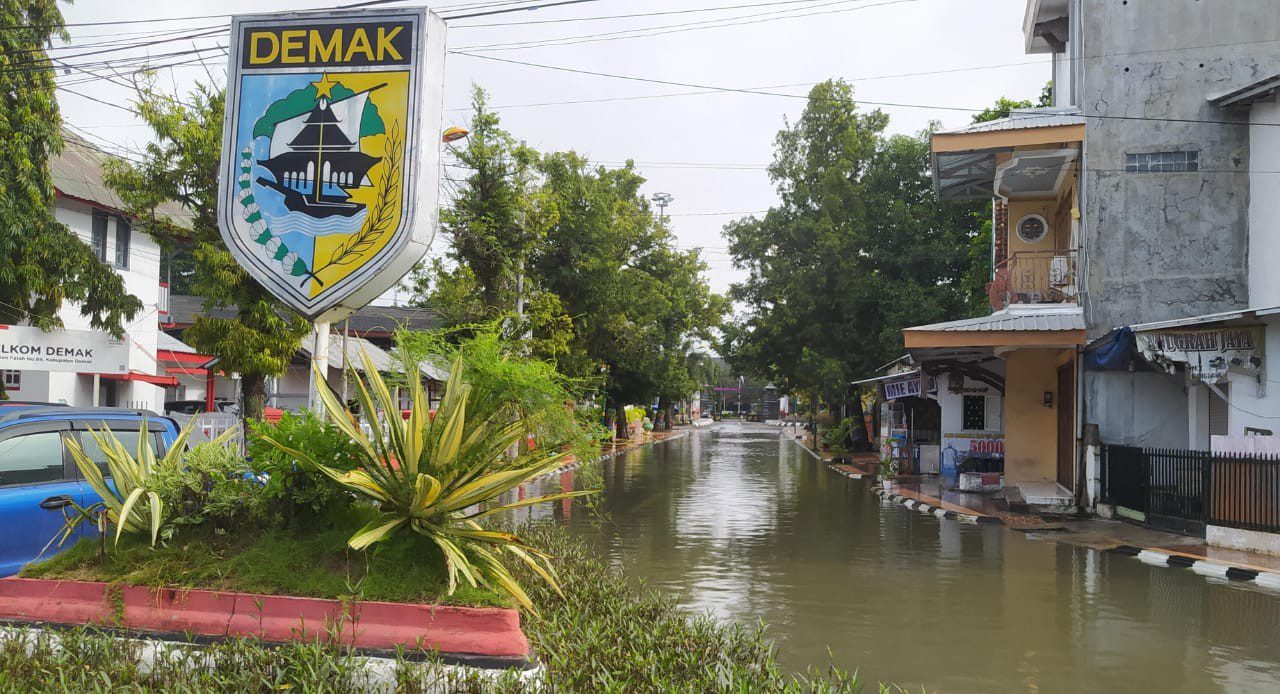 Heavy rains in early February 2024 caused the Wulan River to overflow, damaging dams and flooding settlements and productive lands in Demak and the surrounding regencies. By February 11th, over 71,000 people in 35 villages across seven sub-districts were affected, with flood water reaching 10-50 cm. Prompt action by the government led to a gradual receding of the calamities. However, just as residents began to recover, on March 13th, relentless downpours pummelled Demak again, unleashing another wave of floodwaters. As reported by the Regional Agency for Disaster Management (Badan Penanggulangan Bencana Daerah/BPBD) on their social media account, 417 people from six sub-districts were initially displaced, and the data was rising to over 131,703 people affected by March 30th.
The extent of the flood
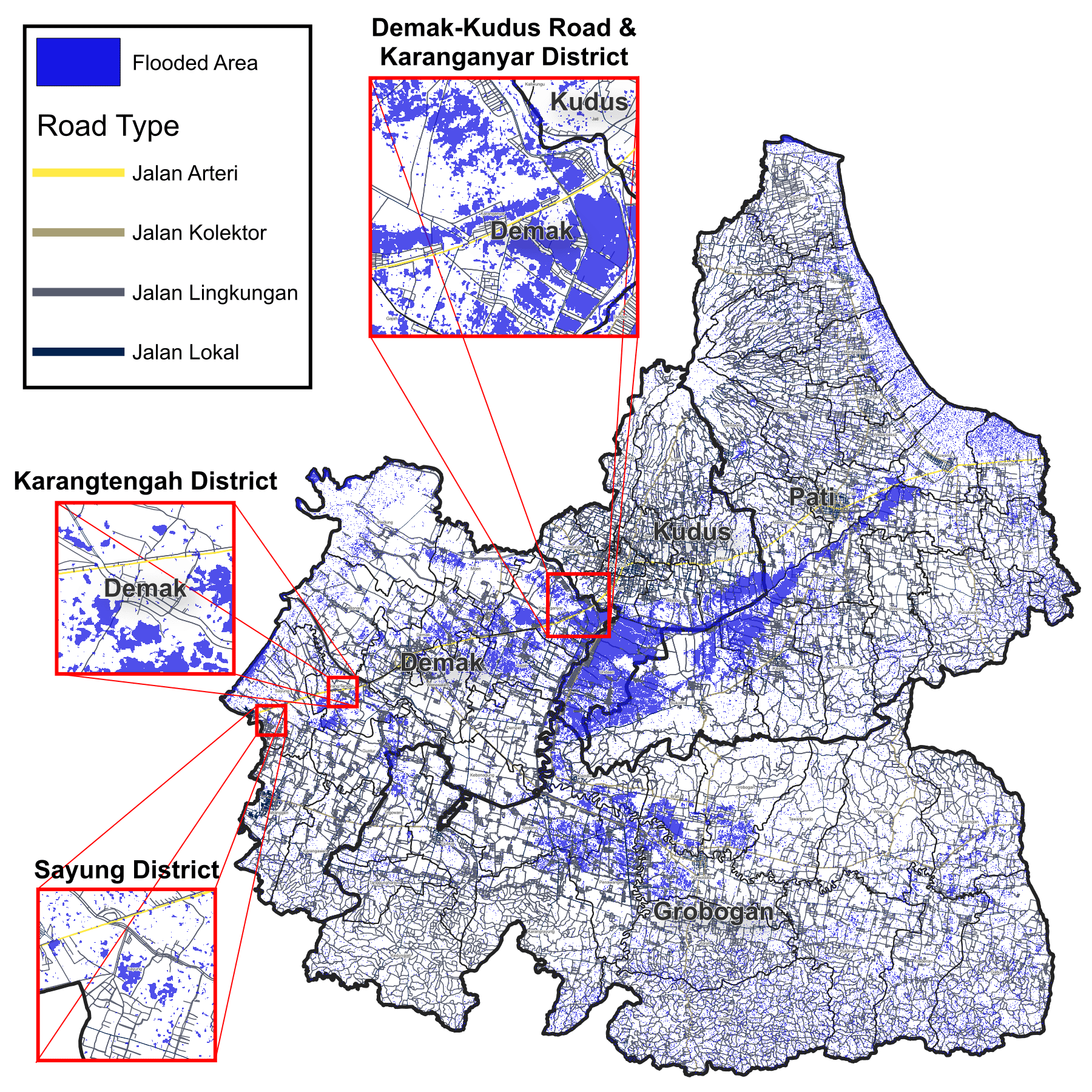
Analysis of Sentinel-1 Synthetic Aperture Radar (SAR) data from February to March reveals an estimated 2,605.95 hectares of settlements and 40,161.31 hectares of paddy fields were flooded in several areas in Central Java. Figure 1 shows floods also reached the Pantura Road, a vital artery connecting the northern coastal regions, including the Demak and Kudus Regencies. The inundated areas, highlighted in Figure 1, correspond with reports from the National Disaster Management Agency (Badan Nasional Penanggulangan Bencana/BNPB) indicating flooding in three districts as of March 28th. This disruption to the Pantura Road has caused significant logistical challenges nationwide. Detailed information on the inundated roads is displayed in Table 1.
Heavy rains in early February 2024 caused the Wulan River to overflow, damaging dams and flooding settlements and productive lands in Demak and the surrounding regencies. By February 11th, over 71,000 people in 35 villages across seven sub-districts were affected, with flood water reaching 10-50 cm. Prompt action by the government led to a gradual receding of the calamities. However, just as residents began to recover, on March 13th, relentless downpours pummelled Demak again, unleashing another wave of floodwaters. As reported by the Regional Agency for Disaster Management (Badan Penanggulangan Bencana Daerah/BPBD) on their social media account, 417 people from six sub-districts were initially displaced, and the data was rising to over 131,703 people affected by March 30th.
The extent of the flood
Analysis of Sentinel-1 Synthetic Aperture Radar (SAR) data from February to March reveals an estimated 2,605.95 hectares of settlements and 40,161.31 hectares of paddy fields were flooded in several areas in Central Java. Figure 1 shows floods also reached the Pantura Road, a vital artery connecting the northern coastal regions, including the Demak and Kudus Regencies. The inundated areas, highlighted in Figure 1, correspond with reports from the National Disaster Management Agency (Badan Nasional Penanggulangan Bencana/BNPB) indicating flooding in three districts as of March 28th. This disruption to the Pantura Road has caused significant logistical challenges nationwide. Detailed information on the inundated roads is displayed in Table 1.
Heavy rains in early February 2024 caused the Wulan River to overflow, damaging dams and flooding settlements and productive lands in Demak and the surrounding regencies. By February 11th, over 71,000 people in 35 villages across seven sub-districts were affected, with flood water reaching 10-50 cm. Prompt action by the government led to a gradual receding of the calamities. However, just as residents began to recover, on March 13th, relentless downpours pummelled Demak again, unleashing another wave of floodwaters. As reported by the Regional Agency for Disaster Management (Badan Penanggulangan Bencana Daerah/BPBD) on their social media account, 417 people from six sub-districts were initially displaced, and the data was rising to over 131,703 people affected by March 30th.
The extent of the flood
Analysis of Sentinel-1 Synthetic Aperture Radar (SAR) data from February to March reveals an estimated 2,605.95 hectares of settlements and 40,161.31 hectares of paddy fields were flooded in several areas in Central Java. Figure 1 shows floods also reached the Pantura Road, a vital artery connecting the northern coastal regions, including the Demak and Kudus Regencies. The inundated areas, highlighted in Figure 1, correspond with reports from the National Disaster Management Agency (Badan Nasional Penanggulangan Bencana/BNPB) indicating flooding in three districts as of March 28th. This disruption to the Pantura Road has caused significant logistical challenges nationwide. Detailed information on the inundated roads is displayed in Table 1.
Figure 1. Inundated roads surrounding the Central Java Source: RDI Staff Analysis on Sentinel-1 SAR, Badan Informasi Geospasial, n.d.)
Table 1. Length of Inundated Road Per Road Type
| Road Type |
Length of Inundated Road (km) |
|---|---|
| Primary Road | 5.1 |
| Secondary Road | 21.02 |
| Residential Road | 869.55 |
| Local Road |
107.59 |
Source: RDI Staff Analysis on Sentinel-1 SAR, Badan Informasi Geospasial, n.d.
The Wilalung Dam and Other Flood Mitigation Strategies In 1918, Dutch authorities constructed a dam system in Demak to mitigate flooding. The Wilalung Dam, situated upstream of the Wulan River, serves as a primary control point. The dam features a network of eleven floodgates, with two designated for the Wulan River and the remaining nine channeling water toward the Juana River. However, time has taken its toll; currently, only three floodgates, all directing water toward the Juana River, remain in operation, and their functionality is compromised. The dam relies on a network of water level and rainfall monitoring stations deployed around the infrastructure. When the discharge of the Serang River surpasses a threshold of 800 m3/s, the floodgates are gradually opened. This strategy proved insufficient during the extreme floods that ravaged Central Java in February and March. The limited capacity of the floodgates failed to reduce discharged water to water bodies, ultimately breaching the embankments. BPBD reported the collapsed embankments were seen in the Wulan River between Ketanjung and Karanganyar villages (20 metres long), the Cabean River in Sidorejo and Rejosari villages, and the Tuntang River in Pilangwetan village (Figure 2).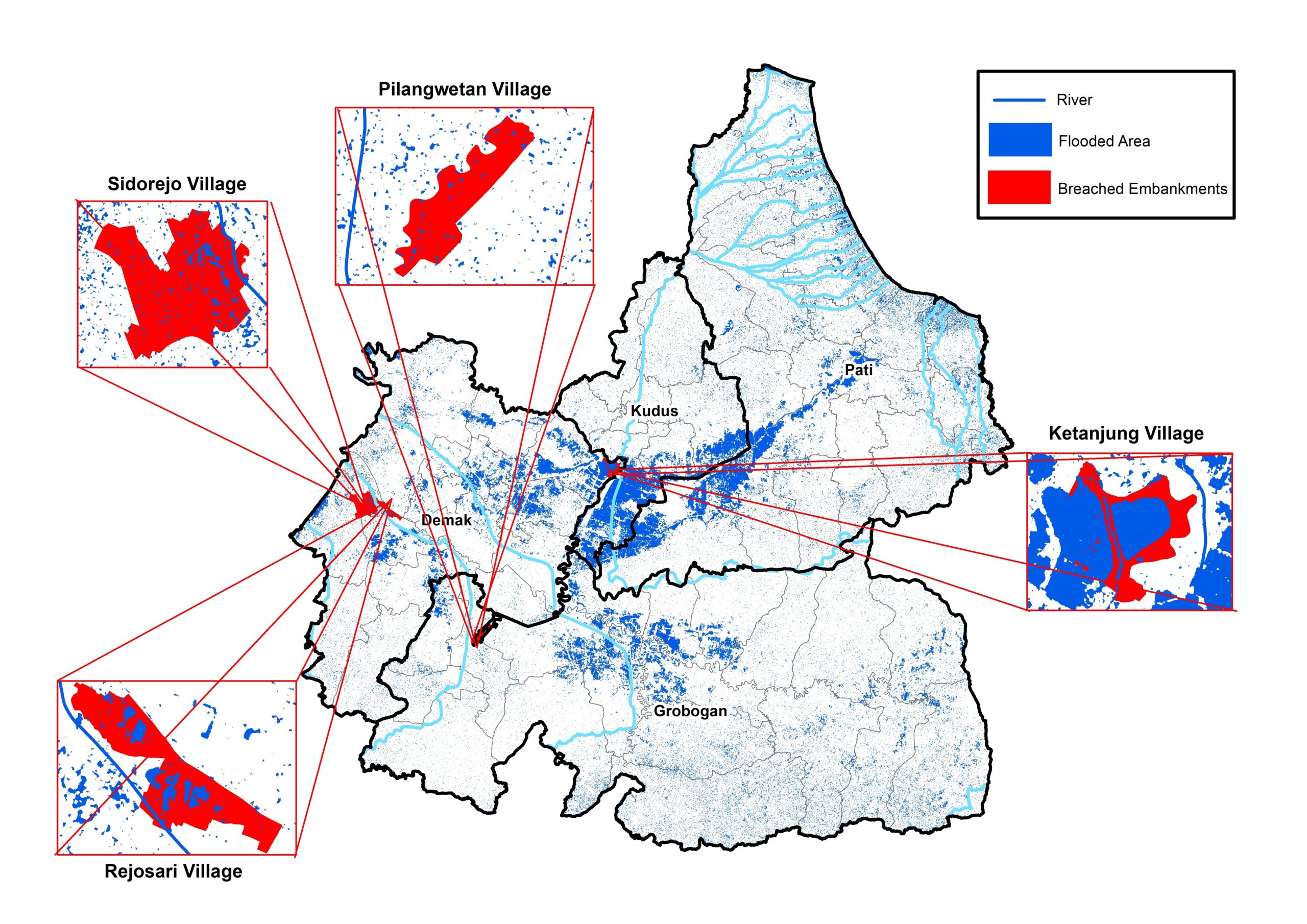
Figure 2. Location of the breached embankments surrounding the Central Java Source: RDI Staff Analysis on Sentinel-1 SAR, Badan Informasi Geospasial, n.d.)
Numerous institutions, including the Ministry of Public Works and Housing’s Water Resource Management Centre (BPSDA) and local governments, reportedly undertook routine maintenance of the Wilalung Dam prior to the disaster taking place. However, fragmented responsibility across various actors seemed to hinder the prioritisation and allocation of resources for dam maintenance and improvement efforts. In Central Java, flood mitigation strategies are beyond infrastructure management. It may involve weather modification to mitigate the impact of extreme weather events. Additionally, the establishment of Disaster Response Villages (Desa Tahan Bencana/Destana) and the implementation of regulations by the Central Java provincial government to disseminate flood warnings to residents reflect a strong commitment to community preparedness. However, the lack of a critical flood early warning system in most areas remains a significant gap. For a better and resilient future
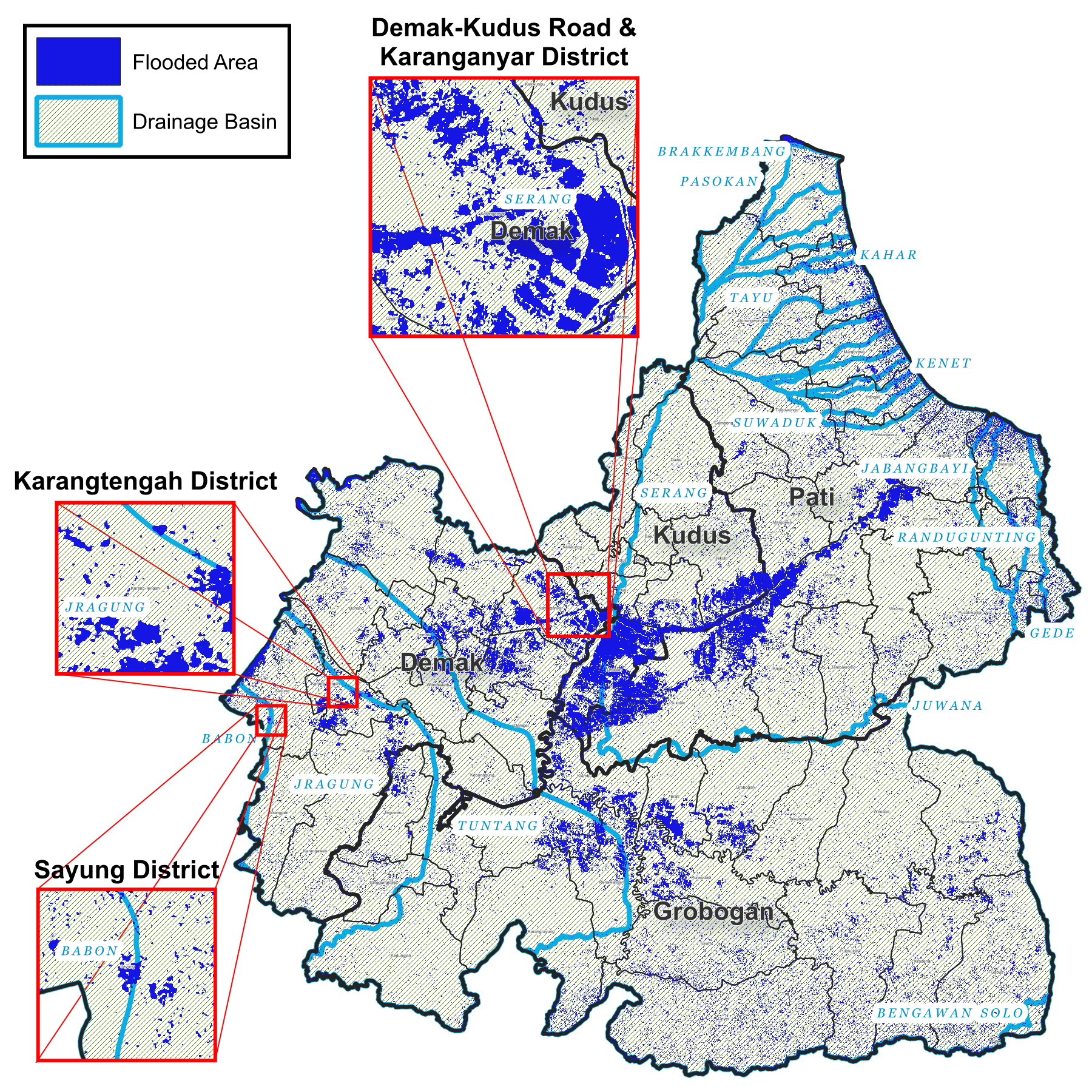
Figure 3. Drainage basin surrounding the Central Java Source: RDI Staff Analysis on Sentinel-1 SAR, Kementerian Lingkungan Hidup dan Kehutanan, n.d.)
Situated in four different drainage basins (Babon, Jragung, Tuntang, and Serang) (Figure 3), the Wulan River's capacity needs to be optimised, as the current limit (900 m³/s) has proven unreliable. A case in Karanganyar District highlighted the importance of paying greater attention to river maintenance. For this reason, the Ministry of Public Works and Housing has committed to carrying out river normalisation to increase its capacity with an estimated budget of IDR 900 billion. In addition, with the ever-increasing pace of climate change, enhancing disaster risk management in Demak and the surrounding Central Java regencies can be built around:- Strengthening communities
- Better emergency response
- Early action based on forecasts
- CNN Indonesia (2018). “Banjir Demak Dan Kudus Menyebabkan 11.400 Orang Harus Mengungsi”. https://www.cnnindonesia.com/nasional/20240211041645-20-1061022/banjir-demak-dan-kudus-menyebabkan-11400-orang-harus-mengungsi . Accessed April 20th 2024
- BPBD, "Infografis Kejadian Bencana Banjir di Kabupaten Demak Tahun 2024", Instagram, 30 Maret 2024, https://www.instagram.com/p/C5ImqqgPMxa/
- Roemiyanto, F. M., & Hartono, H. (2018). BENDUNG WILALUNG, RIWAYATMU KINI. Jurnal Teknik Sipil, 5.
- Diskominfo Kabupaten Pati (2023). “Miliki Aliran Mengarah ke Sungai Juwana, Pintu Air BPBWL Dipantau Pj Bupati Pati”. https://diskominfo.patikab.go.id/berita/detail/miliki-aliran-mengarah-ke-sungai-juwana-pintu-air-bpbwl-dipantau-pj-bupati-pati
- Anam, Khoirul (2024). “Sungai Wulan Jebol, WIKA Sukses Tutup 2 Titik Tanggul dalam 3 Hari”. https://www.cnbcindonesia.com/news/20240218172029-4-515469/sungai-wulan-jebol-wika-sukses-tutup-2-titik-tanggul-dalam-3-hari; Wuragil, Zacharias (2024). “Banjir di Demak, Tanggul Sungai Wulan yang Jebol 20 Meter Coba Ditambal”. https://tekno.tempo.co/read/1832726/banjir-di-demak-tanggul-sungai-wulan-yang-jebol-20-meter-coba-ditambal;
- Pribadi, Wahib (2024). “Tanggul Sungai Cabean Jebol, 4 Desa di Demak Kebanjiran, Puluhan Warga Diungsikan”. https://radarsemarang.jawapos.com/demak/724126320/tanggul-sungaicabean-jebol4-desa-di-demak-kebanjiran-puluhan-warga-diungsikan
- BNPB (2024). “BNPB Lakukan TMC Kurangi Potensi Dampak Banjir di Demak”. https://bnpb.go.id/berita/bnpb-lakukan-tmc-untuk-kurangi-potensi-dampak-banjir-di-demak
- Dinas Pekerjaan Umum, Sumber Daya, dan Penataan Ruang Provinsi Jawa Tengah (n.d.). https://pusdataru.jatengprov.go.id/portal_data/banjir
- Fitrat, Irfan (2024). Antisipasi Banjir, Kementerian PUPR Siapkan Normalisasi 32 Kilometer Sungai Wulan. https://rejogja.republika.co.id/berita/sask7a432/antisipasi-banjir-kementerian-pupr-siapkan-normalisasi-32-kilometer-sungai-wulan
- ASEAN (2024), ASEAN Framework on Anticipatory Action in Disaster Management. https://asean.org/wp-content/uploads/2022/06/ASEAN-Framework-on-Anticipatory-Action-in-Disaster-Management.pdf
- UNDRR (2022). Principles for resilient infrastructure. United Nations Office for Disaster Risk Reduction. https://www.undrr.org/publication/principles-resilient-infrastructure