Building a Scalable Adaptive Social Protection System for Disaster Response in Indonesia
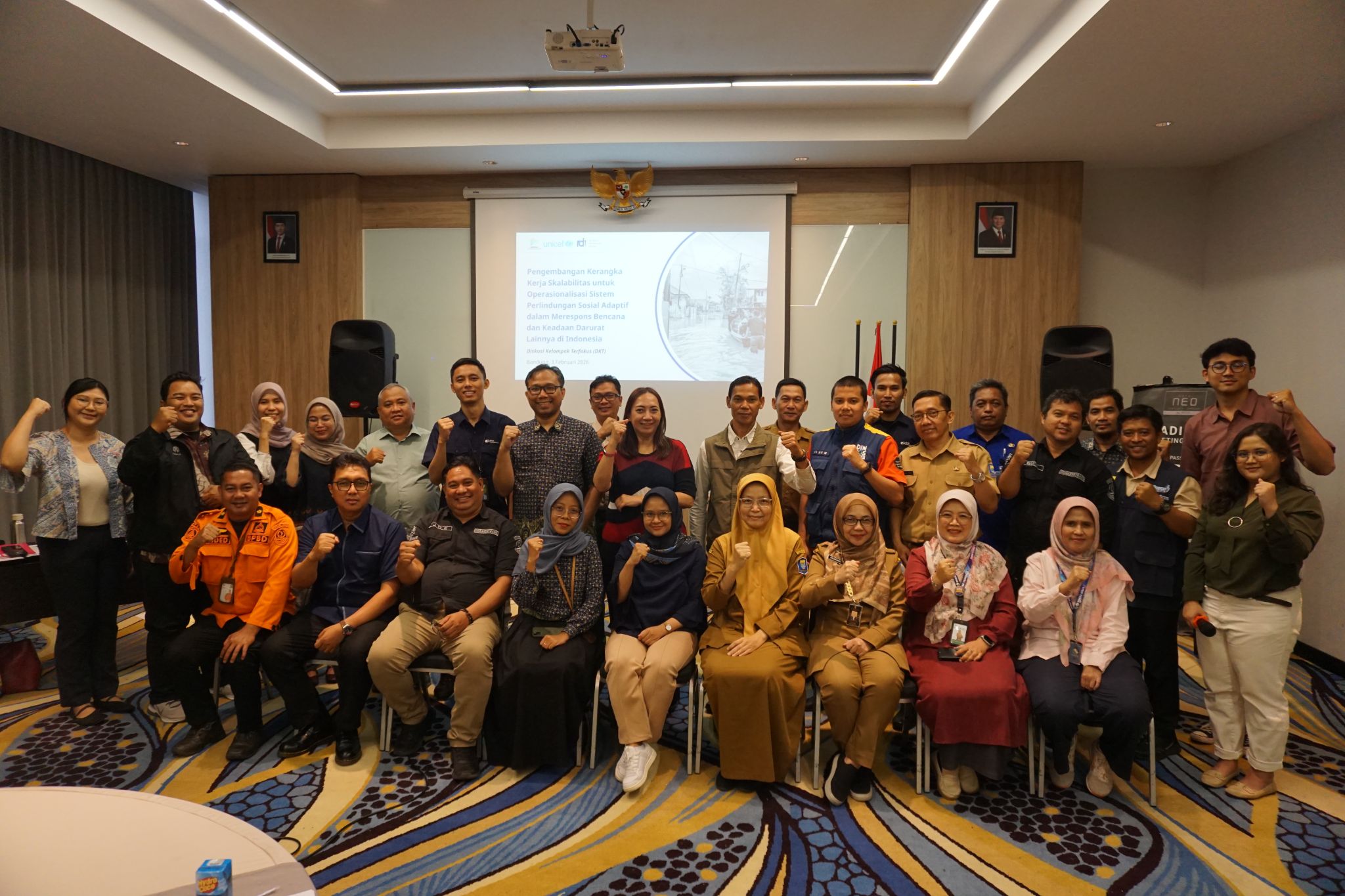 Participants of Focus Group Discussion (FGD) on the Development of a Scalability Framework for Operationalising Adaptive Social Protection Systems Responsive to Disasters and Other Emergencies in Indonesia
The large number of disasters in Indonesia has a direct and profound impact on the social and economic well-being of communities. Poor and vulnerable households, who primarily depend on the informal or agricultural sectors for their livelihoods, are among the most severely affected by disasters due to asset losses, reduced income, and lower consumption after disasters. While some of these programmes can be expanded during emergencies, there is still no comprehensive framework governing how and when the social protection system can rapidly and systematically scale up social assistance in the face of disasters or socioeconomic crises. To support this effort, RDI is working with UNICEF and Bappenas to develop a Scalability Framework to operationalise the ASP system in Indonesia. This framework will be responsive and strategic, helping to prevent, cope with, and adapt to disasters.
Through this collaboration, we conducted a series of consultations with national and subnational government representatives to better understand the extent to which existing social protection programmes in Indonesia are scalable, as well as the opportunities to strengthen and operationalise the ASP framework in the country. The consultation series included KIIs with key stakeholders from national government agencies, FGDs with other relevant national government representatives, and FGDs with government representatives from West Java Province and Bandung City as the case study areas.
KIIs with key stakeholders from national government agencies
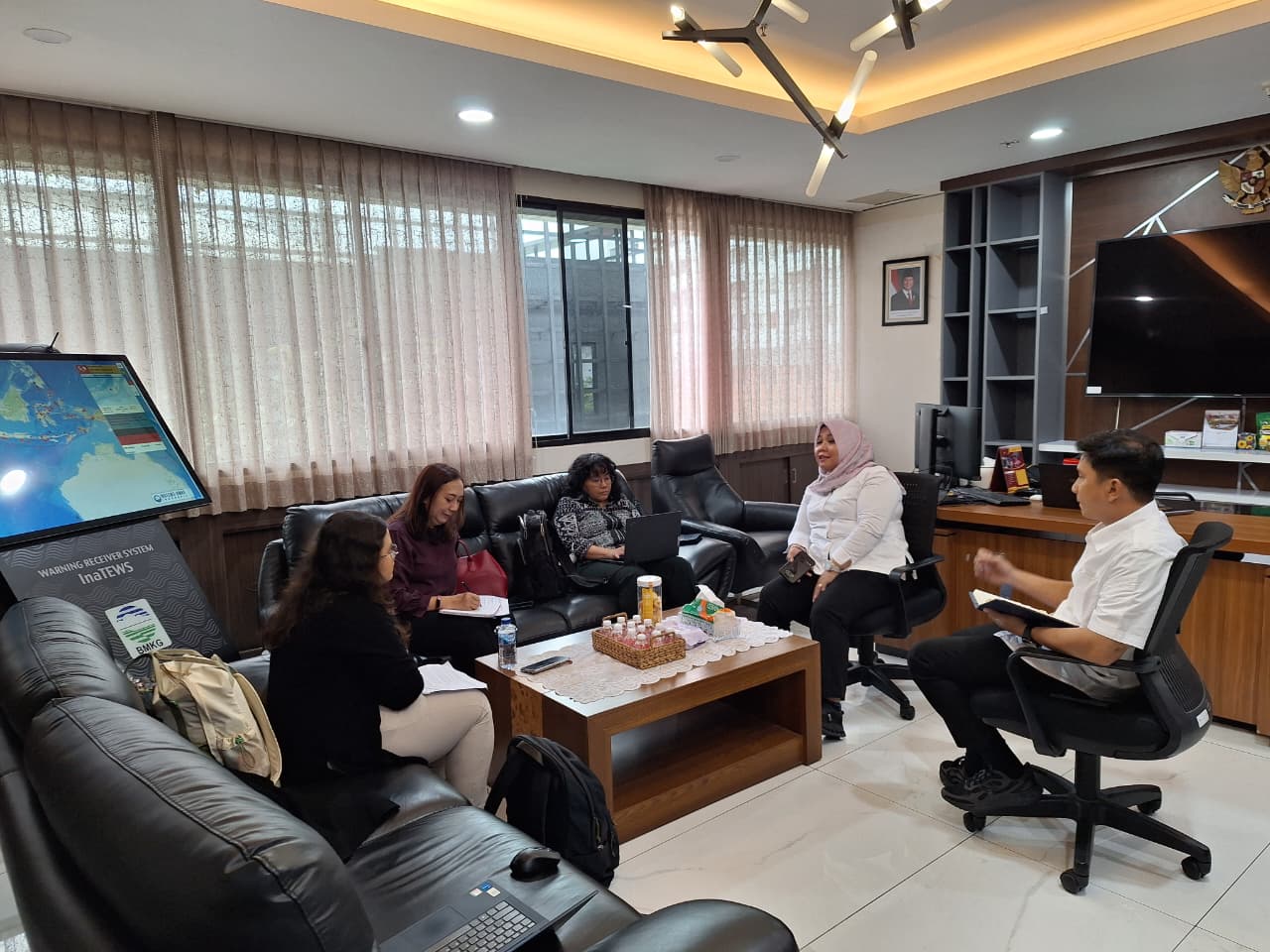
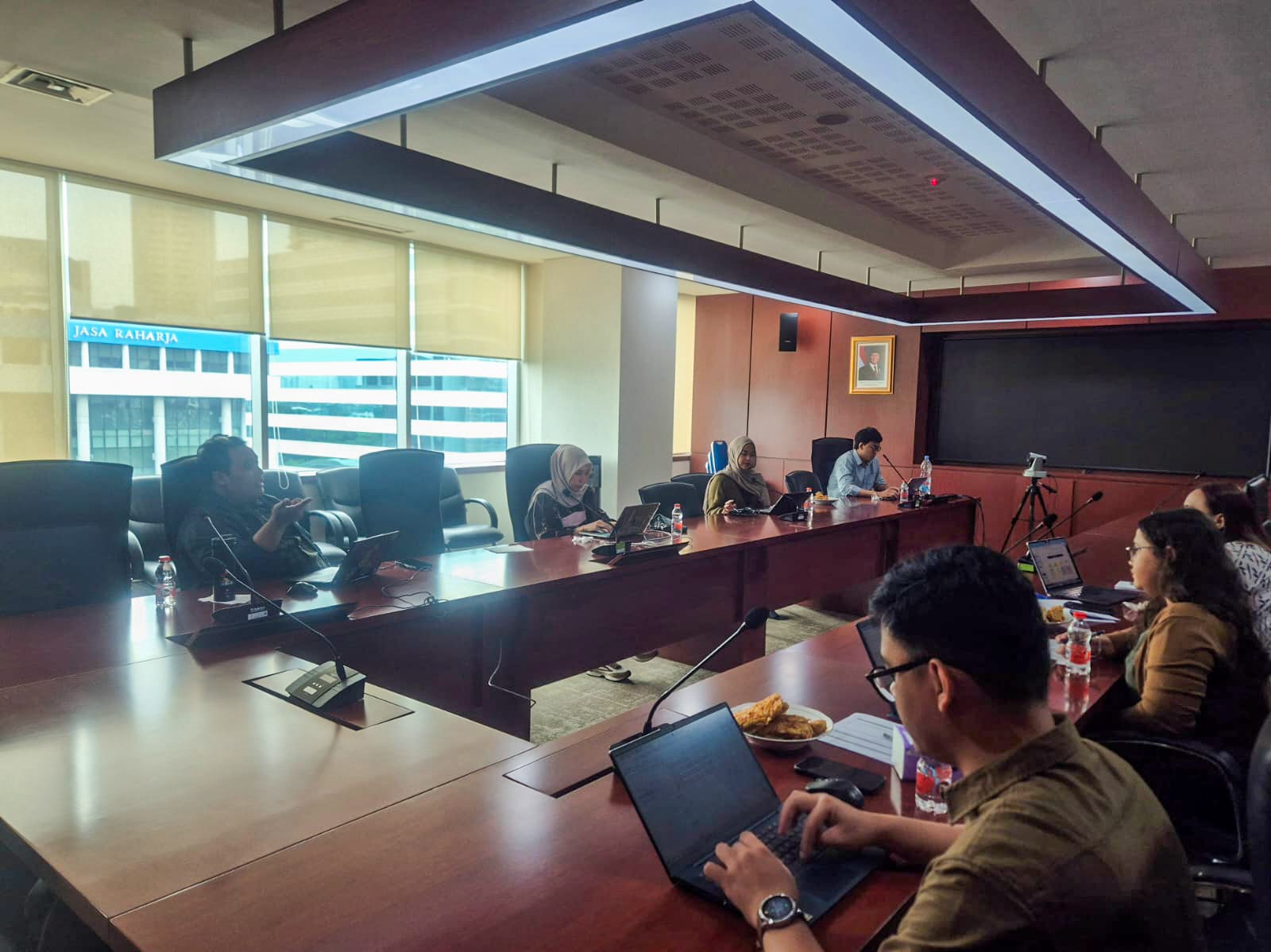
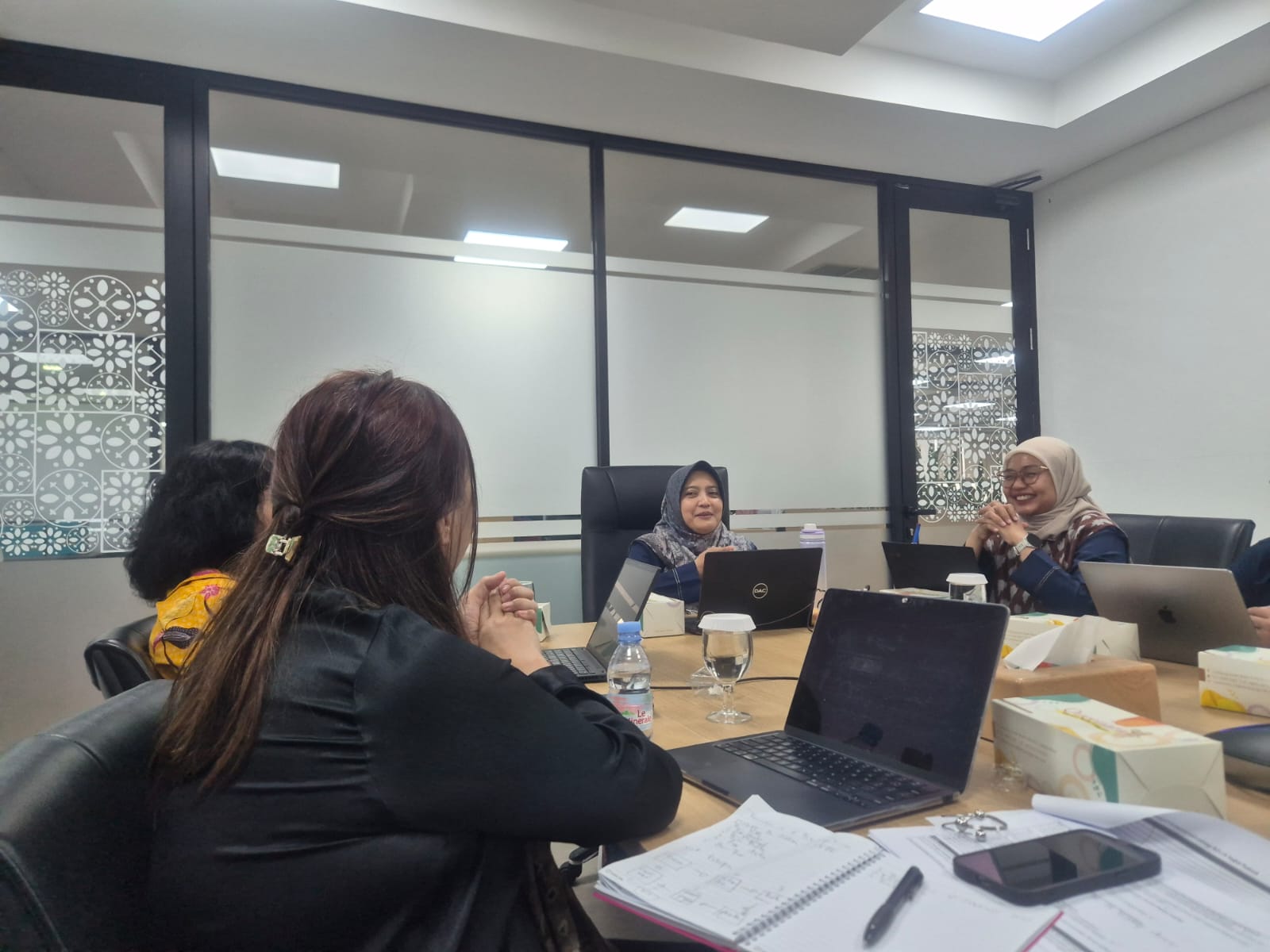 Engagement with Relevant Stakeholders
The KIIs with key stakeholders from national government agencies (Bappenas, the Ministry of Finance, the Ministry of Social Affairs, BNPB, and the Ministry of Health) in February 2026 highlighted that while ASP is already recognised in Indonesia’s policy landscape, its operationalisation remains constrained by limited programme flexibility, fragmented data systems, unclear activation triggers, and slow administrative processes. Discussions emphasised the need for a more implementable ASP mechanism through clearer SOPs, stronger cross-ministerial coordination, and flexible financing arrangements, while also underscoring the importance of using existing systems such as DTSEN, BNPB rapid assessments, and sectoral service platforms more strategically. Stakeholders also noted that disaster response should not rely solely on regular social assistance programmes, but rather be supported by dedicated or standby mechanisms that can be activated quickly, alongside improved targeting, health protection, and recovery support for affected households.
FGD with Relevant National Government Representatives
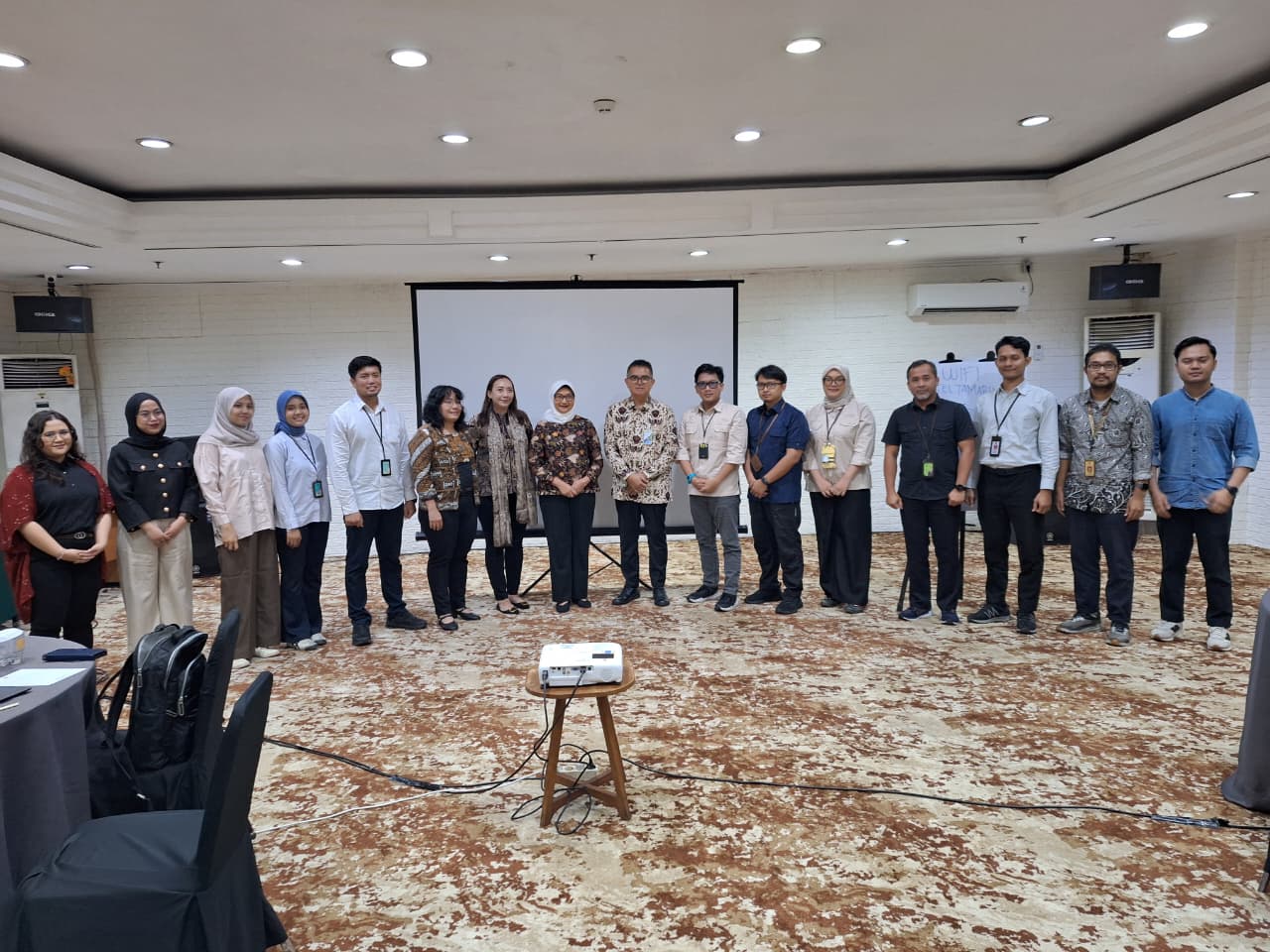 FGD with Relevant National Government Representatives
The FGD was held on 29 January 2026 in Jakarta and brought together representatives from relevant national government institutions, including Bappenas, the Ministry of Social Affairs, the Ministry of Health, BPJS Kesehatan, and other key stakeholders, to provide strategic inputs on strengthening the operationalisation of adaptive social protection at the national level. The discussion highlighted the importance of moving from reactive to more anticipatory and scalable social protection responses by strengthening activation mechanisms, improving data integration across social and disaster systems, ensuring programme flexibility, and developing clearer cross-sector SOPs and financing arrangements. Participants also emphasised that while several existing programmes have shown potential to respond during emergencies, further regulatory clarity, stronger local government support, and better alignment between emergency response, recovery, and social protection systems are still needed to make ASP more operational in Indonesia.
FGD with Government Representatives From West Java Province and Bandung City
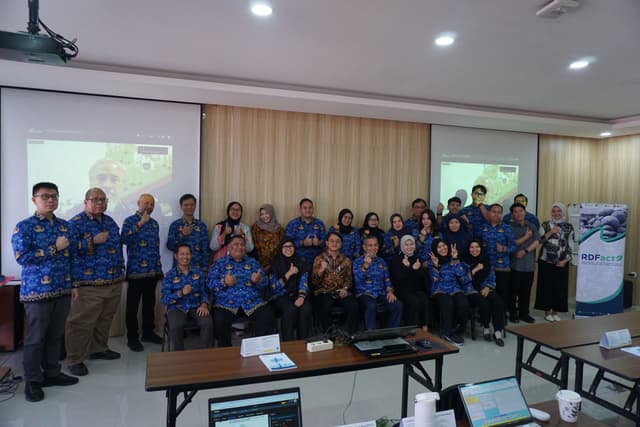
The FGD was held on 3 February 2026 in Bandung and brought together representatives from the Provincial Government of West Java and the City Government of Bandung, including Bappeda, Social Affairs Offices, Disaster Management Agencies (BPBD), Health Offices, Manpower Offices, and representatives from BPJS Kesehatan and BPJS Ketenagakerjaan, to provide strategic inputs on strengthening the operationalisation of adaptive social protection at the subnational level.
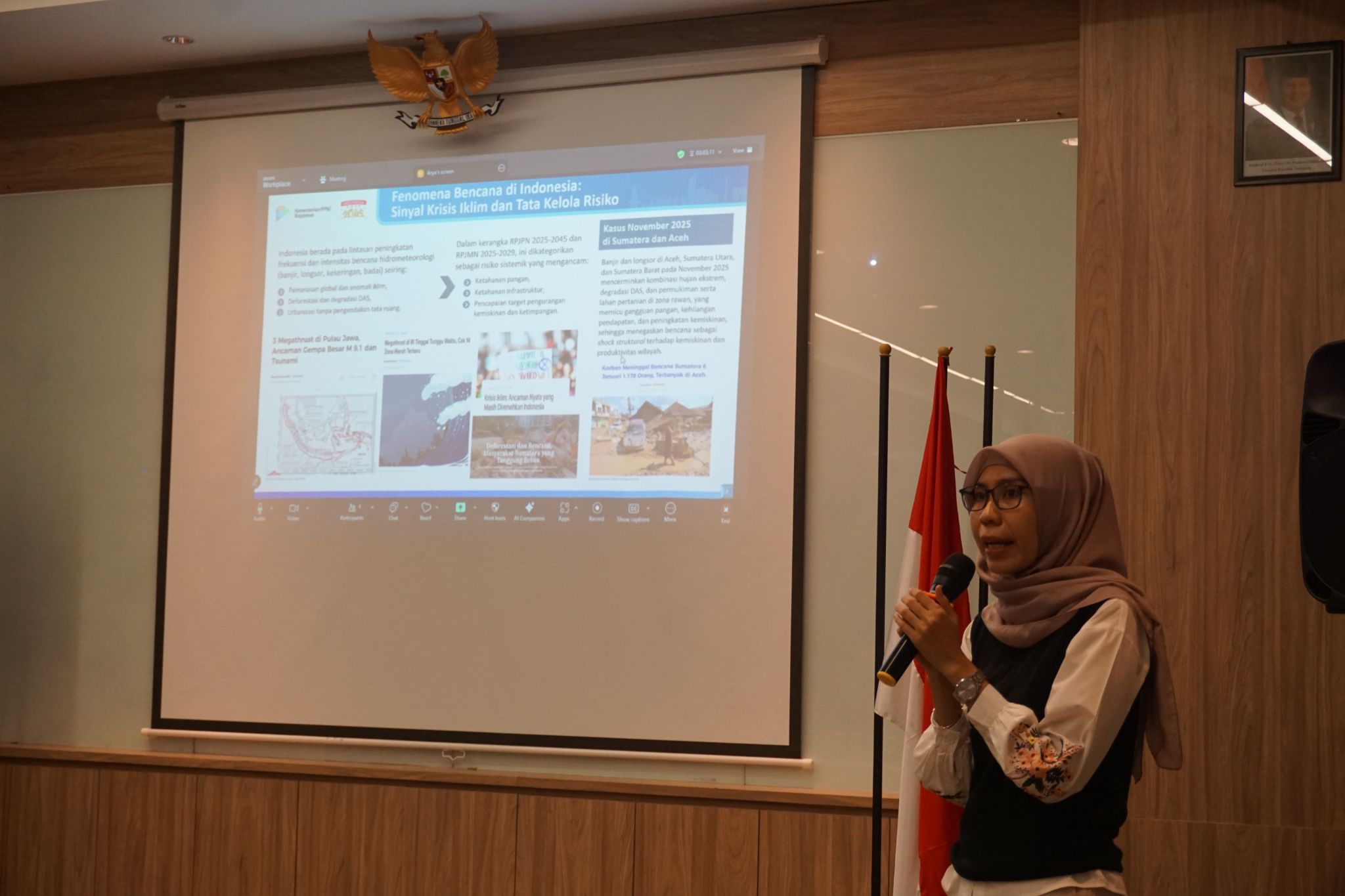 Presentation from Fisca Aulia, Representing the Director of Poverty Reduction and Social Welfare at Bappenas
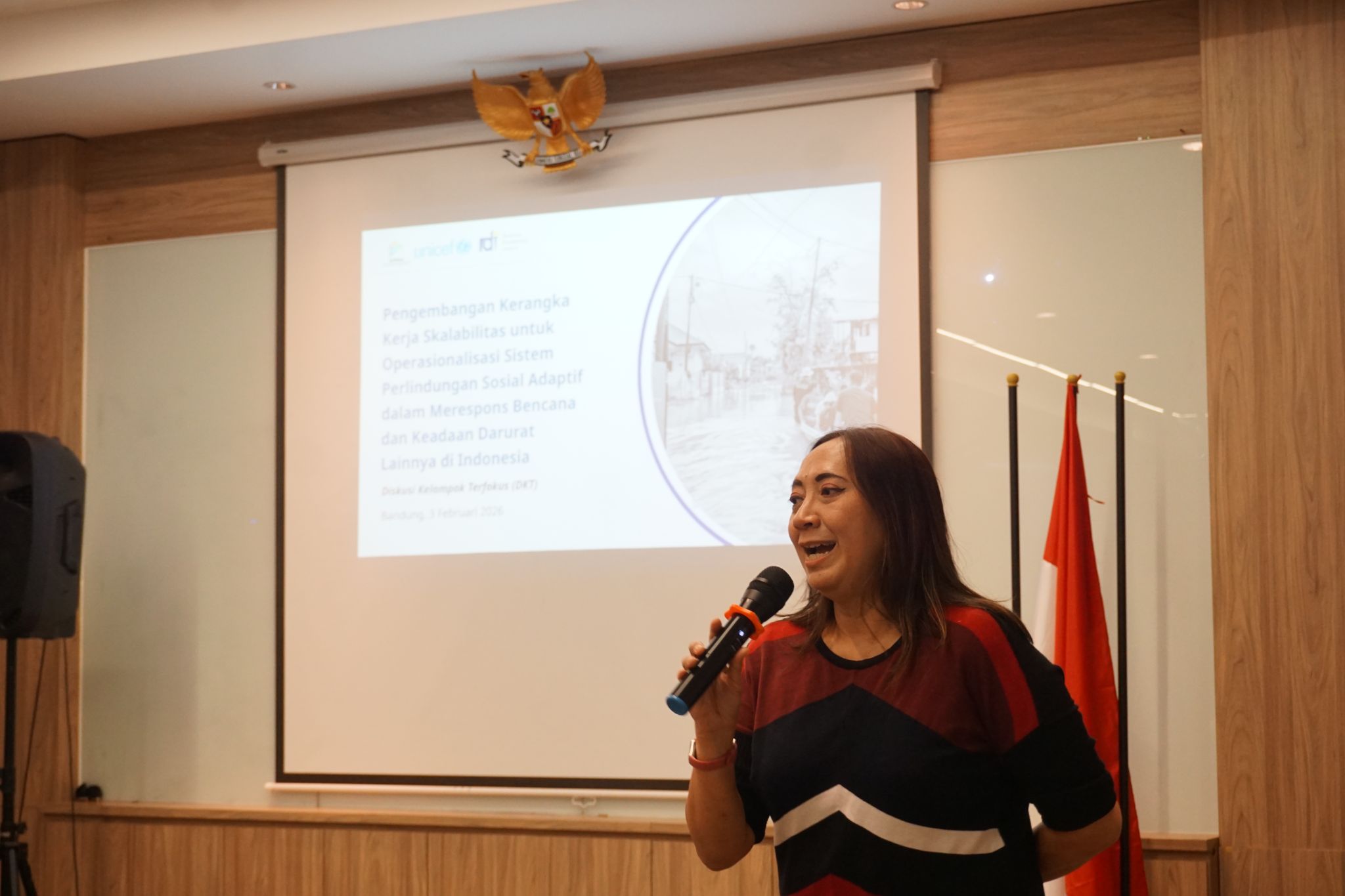 Presentation from Dyah Larasati (Research Fellow RDI) terkait Development of a Scalability Framework for Operationalising Adaptive Social Protection Systems Responsive to Disasters and Other Emergencies in Indonesia
The discussion opened with remarks from Fisca Aulia, representing the Director of Poverty Reduction and Social Welfare at Bappenas, who highlighted that although Indonesia has various social protection programmes, their effectiveness during crises remains limited. She emphasised the importance of building an adaptive system that can operate both in normal and emergency situations. The session continued with a presentation from Dyah Larasati (RDI Social Policy Expert) and Eri Krismiyaningsih (RDI Researcher on ASP), who introduced the concept and design of the scalability framework for ASP, including mechanisms for expanding benefits (vertical expansion), increasing beneficiary coverage (horizontal expansion), and aligning existing programmes to respond more effectively during disasters. Participants engaged in group discussions on subnational policy implementation and operational challenges of ASP. West Java government representatives emphasised the role of early warning systems, BPBD-led cross-sector coordination, and contingency budgets such as BTT, while the government representatives of Bandung City highlighted rapid disaster response coordination, emergency social assistance distribution, and collaboration with BPJS to maintain social protection during recovery.
 Group Discussion during FGD
FGD with programme beneficiaries
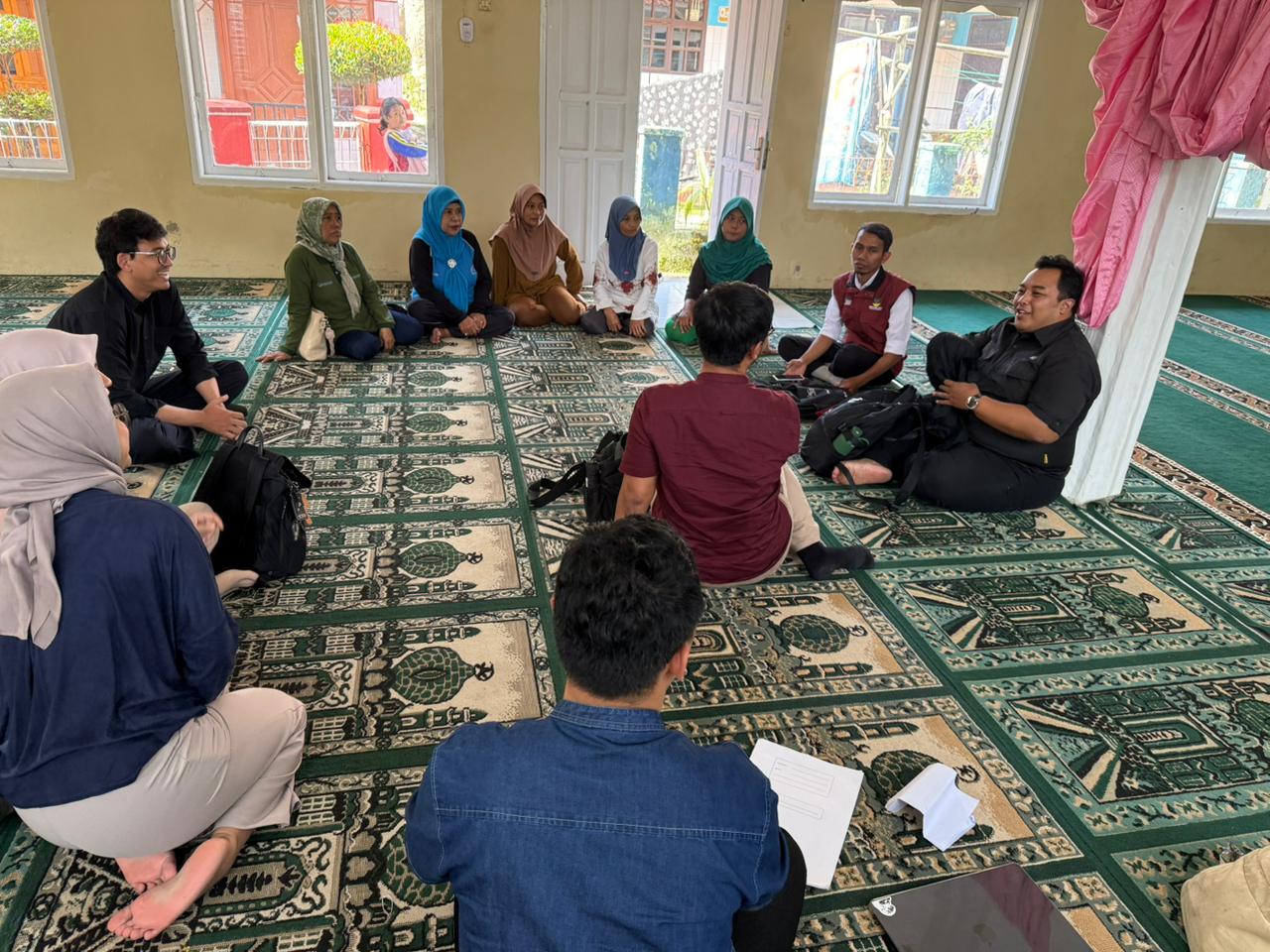
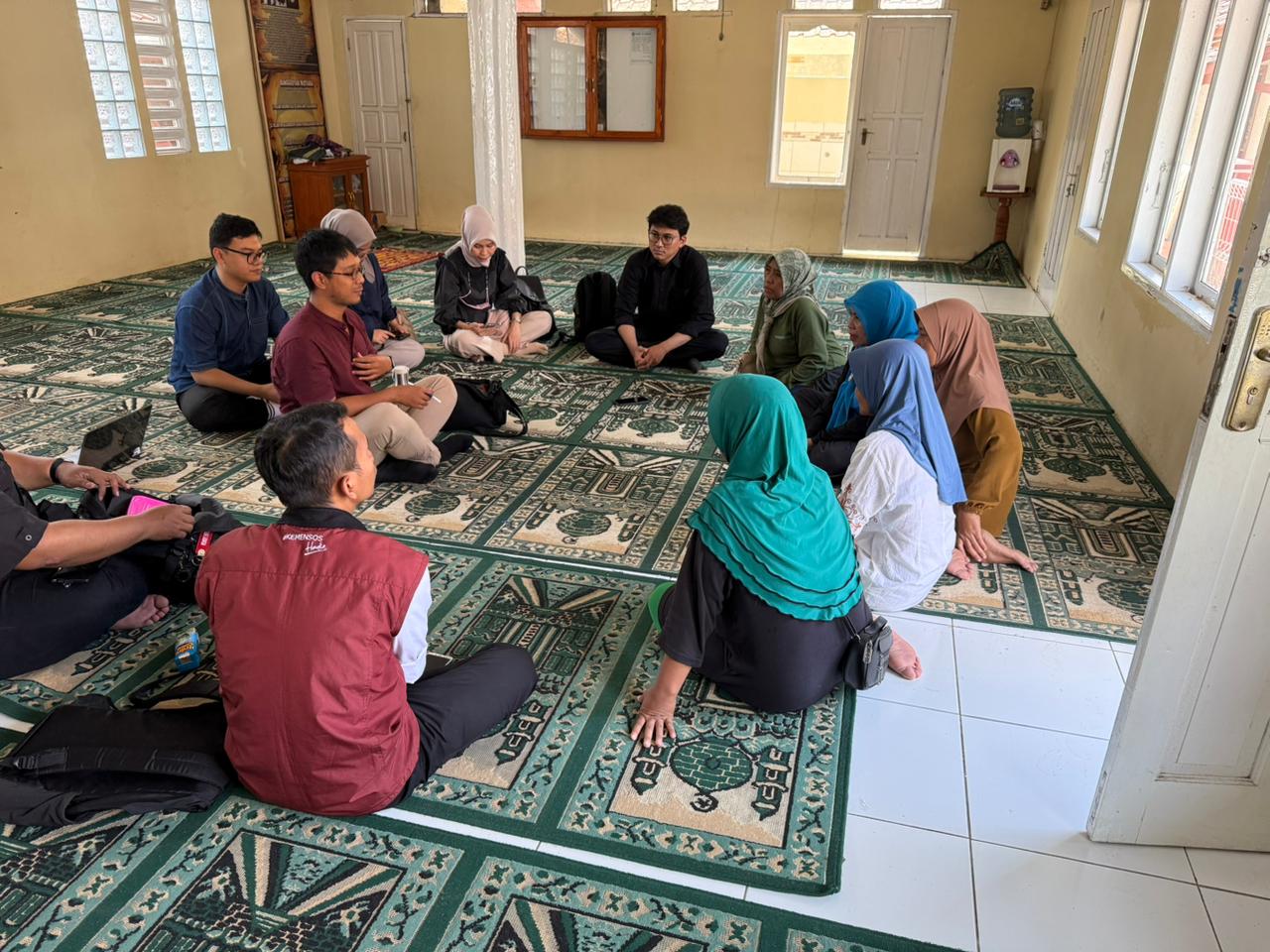 FGD with community inWargaluyu Village, Arjasari Sub-district, Bandung Regency
The FGD was held on 4 February 2026 in Wargaluyu Village, Arjasari Sub-district, Bandung Regency, and brought together programme beneficiaries and disaster-affected community members to provide direct insights on how existing social protection and emergency assistance were experienced at the household level. The discussion showed that emergency assistance was delivered relatively quickly and was generally considered adequate during the early response phase, particularly for basic needs and support to vulnerable groups. However, participants also highlighted several challenges, including gaps in data collection and beneficiary verification, uneven distribution of assistance, the absence of a clear grievance mechanism, and the limited adaptability of regular social assistance programmes, such as PKH, in disaster situations. As the emergency phase passed, beneficiaries emphasised that their main needs had shifted toward cash assistance, livelihood recovery, and longer-term economic support.