Bridging the Gap: Documenting Best Practices of Anticipatory Action in DIY, NTT, and West Kalimantan
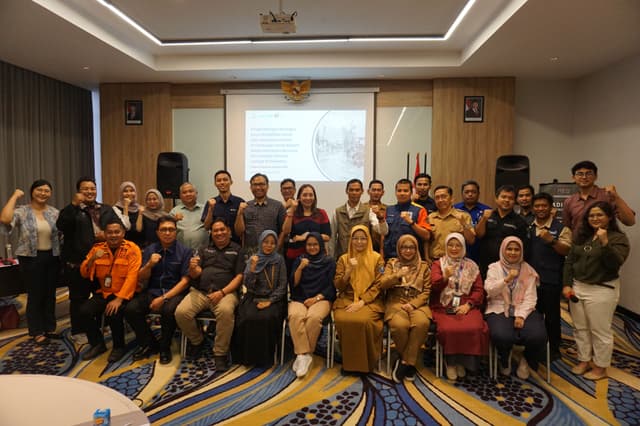
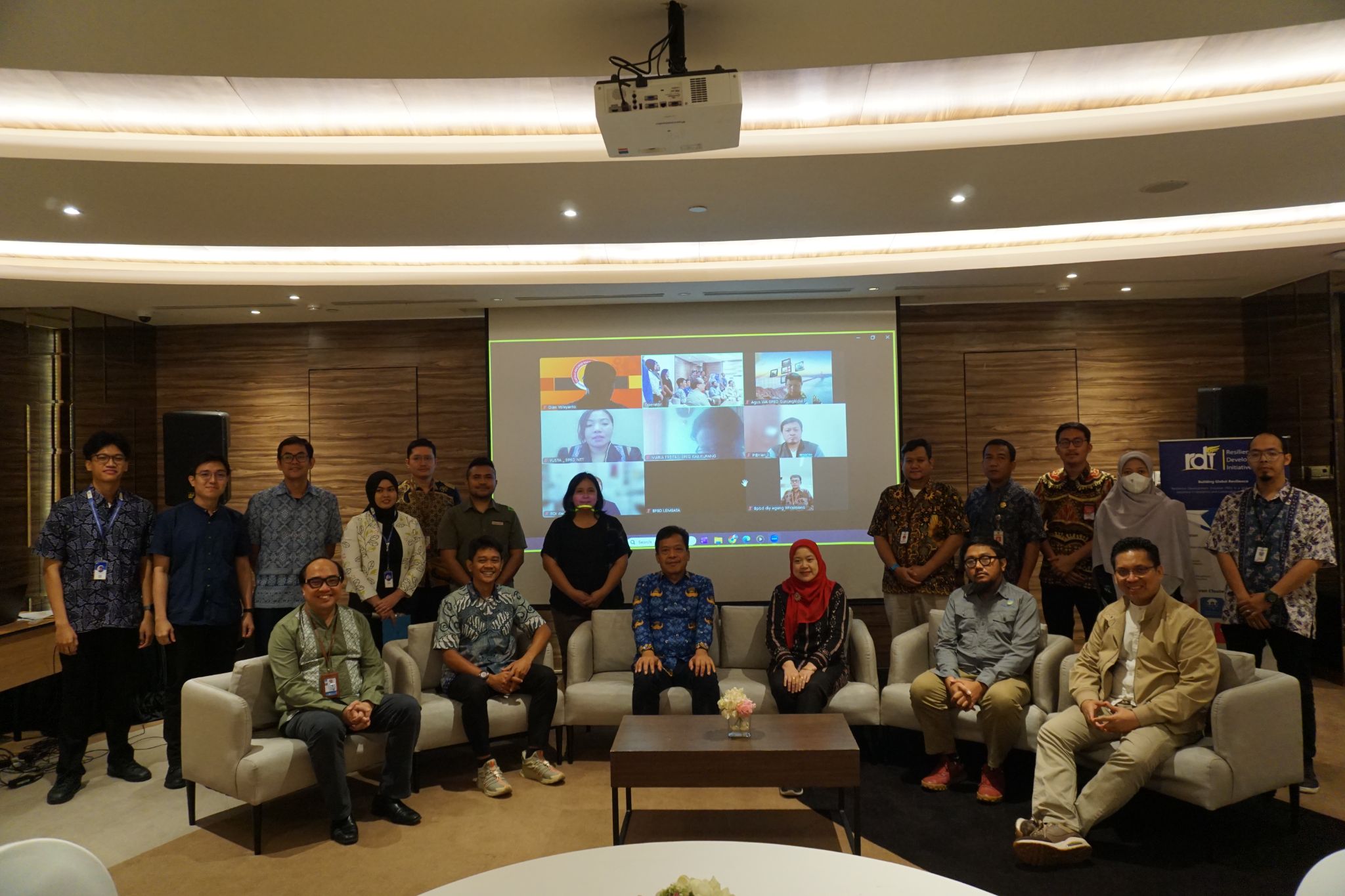 Participants of the Validation Workshop on Documenting Learning and Best Practices of the Anticipatory Action Model
Jakarta, 5 March 2026 — The increasing frequency of climate-related disasters in Indonesia has highlighted a critical need to transition from a purely reactive "emergency response" mindset to a more proactive approach. Anticipatory Action (AA), known locally as Aksi Mitigasi dan Persiapan Dini (AMPD), is emerging as a vital strategy to protect vulnerable communities. By utilising early warning triggers and pre-arranged financing, AA allows for interventions to take place before a disaster strikes, significantly reducing the loss of life and livelihoods while ensuring a more efficient use of resources.
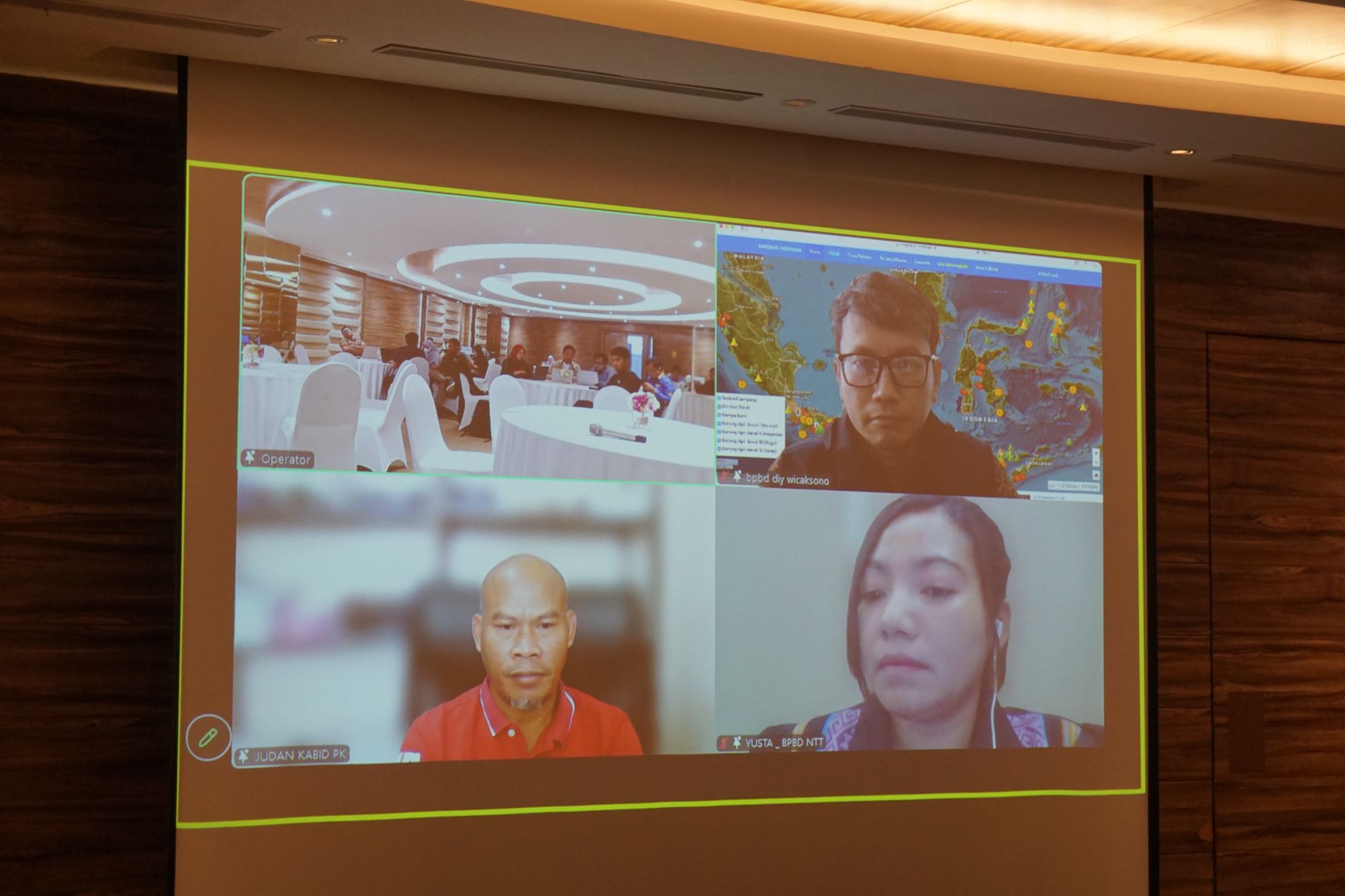 Representatives from BPBD of the Special Region of Yogyakarta (DIY), East Nusa Tenggara (NTT), and West Kalimantan
To consolidate these efforts, the Resilience Development Initiative (RDI), in cooperation with the World Food Programme (WFP), convened the "Validation Workshop on Documenting Learning and Best Practices of the Anticipatory Action Model" on March 5, 2026. This workshop was the culmination of studies conducted in three pilot provinces: Daerah Istimewa Yogyakarta (DIY), Nusa Tenggara Timur (NTT), and West Kalimantan. The primary goal was to validate the documentation of lessons learned, providing a technical reference that can be replicated in other regions across Indonesia to create a more resilient national disaster management framework.
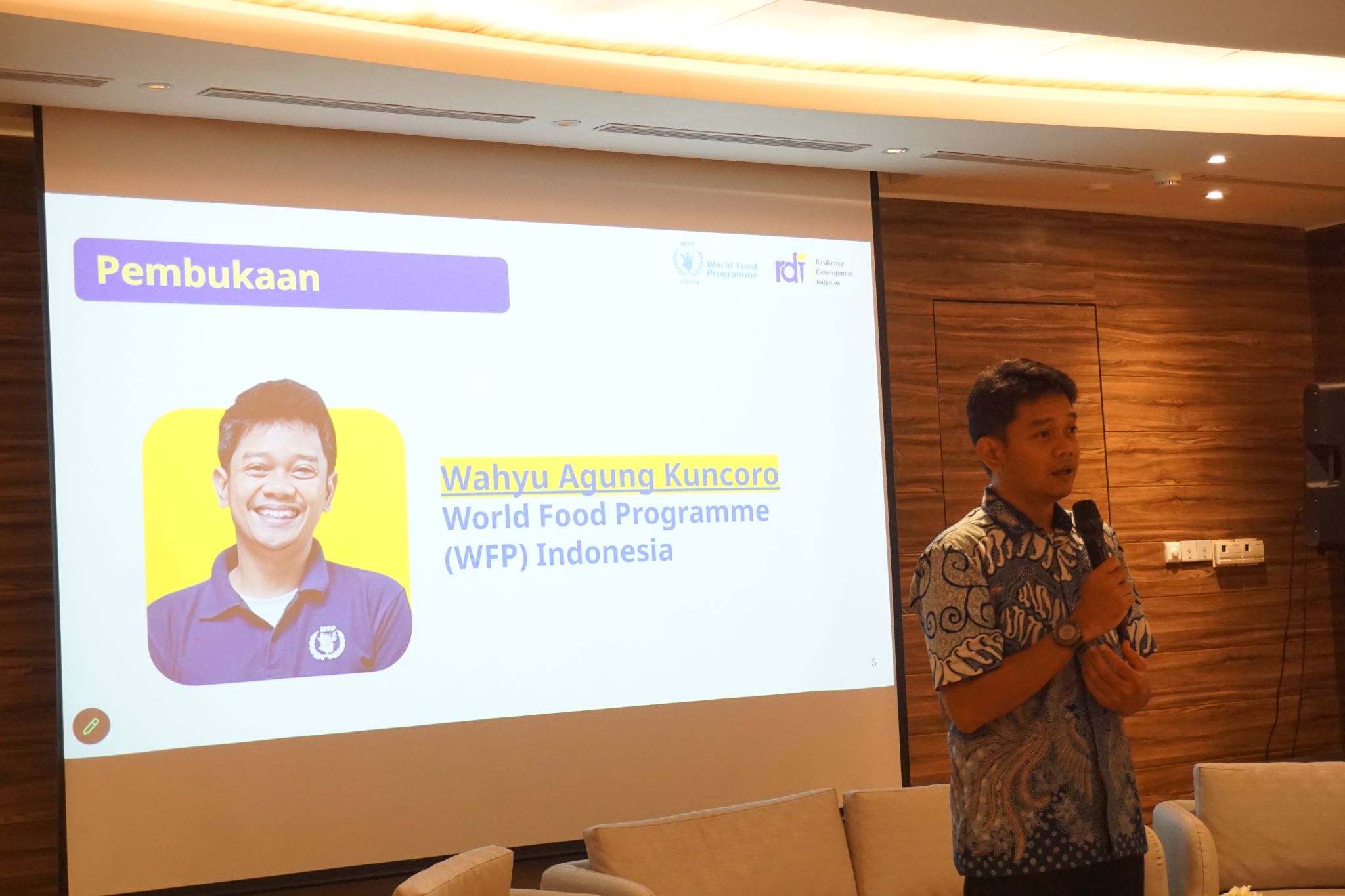 Opening Remarks by Wahyu Agung Kuncoro (WFP)
 Research Findings Presentation by Saut Sagala (RDI Senior Research Fellow), Dr. Ekoningtyas Wardani (RDI Agriculture and Food Security Expert), and Eri Krismiyaningsih (RDI Programme Manager)
The workshop featured presentations from several key speakers who detailed the findings from the pilot areas. Wahyu Agung Kuncoro (WFP) opened the session by stressing that the AA concept must be integrated into existing mechanisms to ensure objectivity and sustainability. Dr. Saut Sagala (Senior Research Fellow RDI) elaborated on the growing importance of AA amidst the global climate crisis, noting the need for clear institutional governance. Dr. Ekoningtyas Wardani (Agriculture and Food Security Expert RDI) & Eri Krismiyaningsih (Programme Manager RDI) then summarised the unique strengths of each region: DIY was recognised for its strong institutional and policy integration, West Kalimantan for its highly efficient community-level engagement through climate field schools, and NTT for its progress in strengthening implementation through structured task forces.
 Responses and Presentations by Merry Efriana (Coordinating Ministry for Human Development and Cultural Affairs), Drs. Pangarso Suryotomo (BNPB), and Muhammad Hakiki (BMKG)
Additionally, Merry Efriana (Coordinating Ministry for Human Development and Culture) and Drs. Pangarso Suryotomo (BNPB) responded to the study by discussing the strategic importance of aligning local actions with national roadmaps, while Muhammad Hakiki (BMKG) emphasised the role of Impact-Based Forecasting in triggering timely actions.
The discussion sessions with participants highlighted several critical substantive points regarding the scalability of this model. One of the main themes discussed was the integration of AA with the Adaptive Social Protection (ASP) framework, emphasising that social safety nets must be flexible enough to expand during a crisis. The dialogue also underscored the importance of cultural approaches, such as the use of the kentongan in DIY or church-based community gatherings in NTT, as effective informal communication channels for early warnings. Finally, the discussion concluded that while technical documentation is essential, the "political will" of local leaders remains the ultimate key to transforming these pilot projects into a standardised, systemic routine supported by pre-arranged financing.