Enhancing Policy Decisions: Training on Cost-Benefit Analysis and Equity Assessment for Urban Climate Action
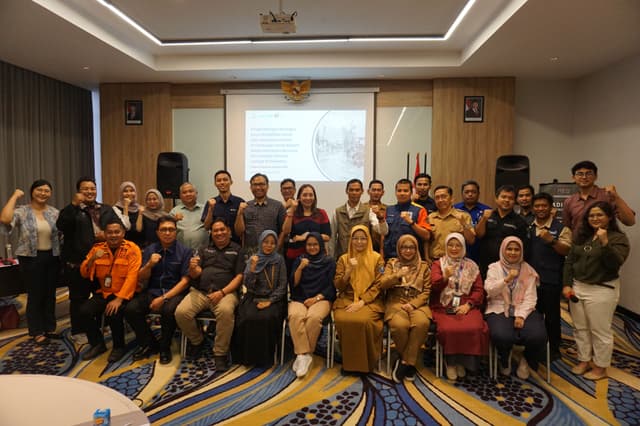
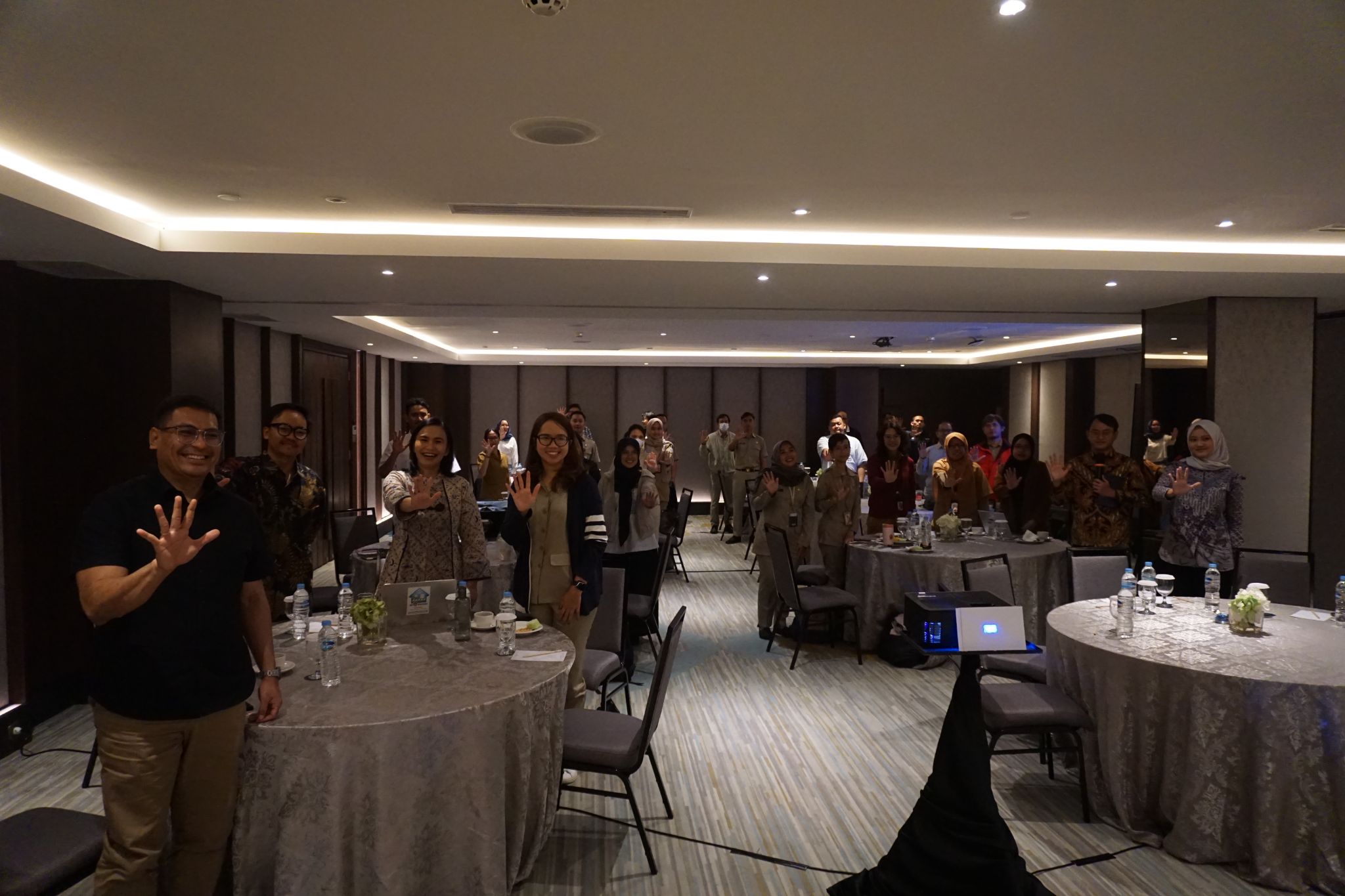 Participants of Capacity Building Training on Cost–Benefit Analysis (CBA) and Equity Assessment for Urban Air and Climate Policy Development
Jakarta, 9-10 February 2026 — Cities face growing challenges in addressing air pollution and climate change, requiring policies that are not only environmentally effective but also economically sound and socially equitable. Analytical tools such as Cost-Benefit Analysis (CBA) and equity assessment help policymakers evaluate trade-offs and design more informed and inclusive urban policies.
To support this need, the Capacity Building Training on Cost-Benefit Analysis (CBA) and Equity Assessment for Urban Air and Climate Policy Development was held on 10–11 February 2026 at Hotel Ashley Tanah Abang, Jakarta. The training aimed to strengthen the analytical capacity of government officials and stakeholders in developing evidence-based policies for urban air quality and climate action. The event opened with welcoming remarks from Iwan Kurniawan, Head of the Bureau of Development and Environment of the DKI Jakarta Provincial Government, followed by an introduction from Fadhil Firdaus, City Advisor of Breathe Cities Jakarta at C40 Cities, who emphasised the importance of integrating economic analysis into urban environmental policymaking. The training sessions were delivered by Dr. Martin Daniel Siyaranamual, an economist and lecturer from Universitas Padjadjaran with extensive experience advising international organisations and the Government of Indonesia on economic evaluation and impact assessment.
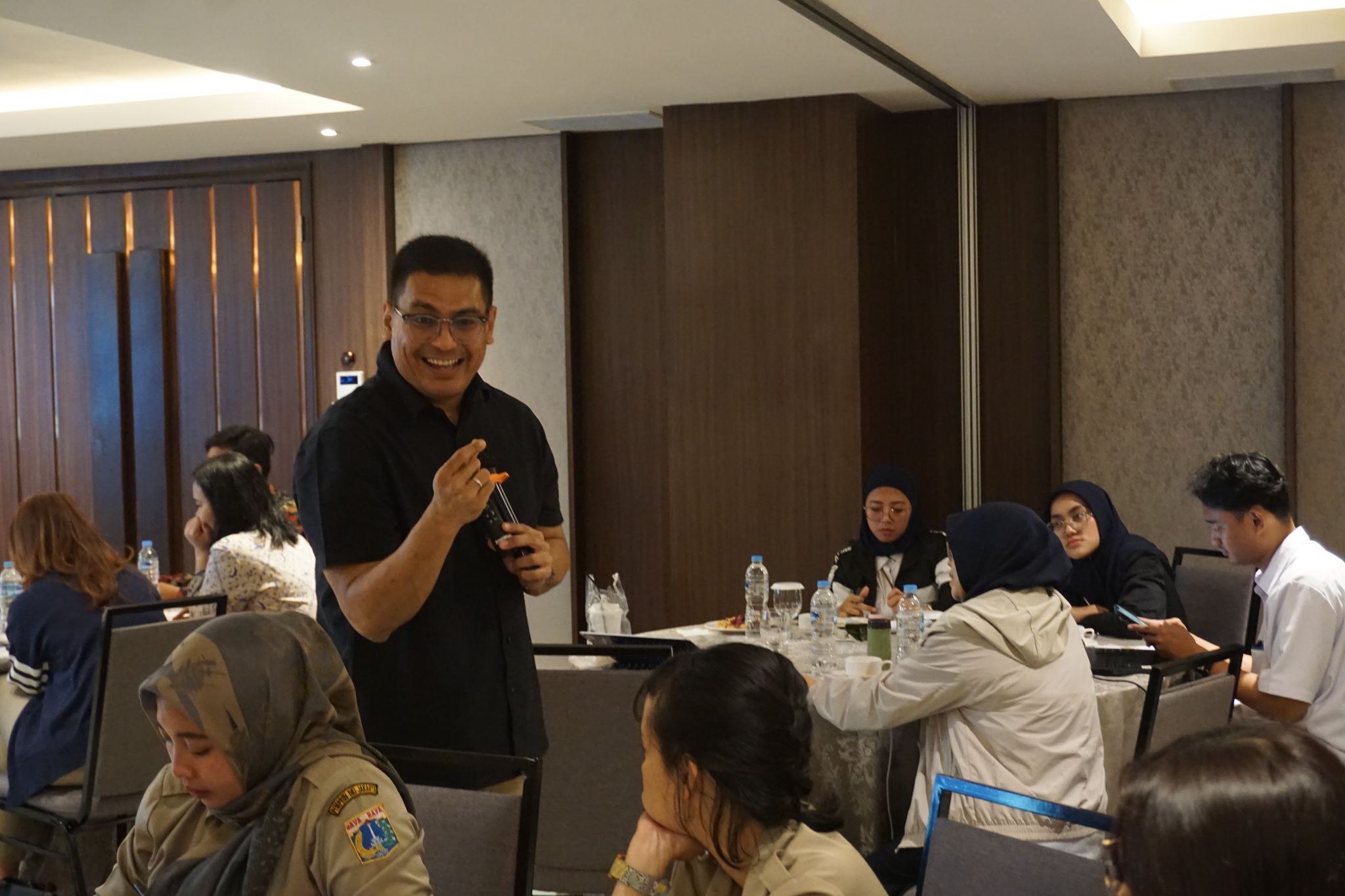 Training sessions were delivered by Dr. Martin Daniel Siyaranamual
The event opened with welcoming remarks from Novrida Panjaitan, Deputy Head of the Bureau of Development and Environment of the DKI Jakarta Provincial Government, followed by an introduction from Fadhil Firdaus, City Advisor of Breathe Cities Jakarta at C40 Cities, who emphasised the importance of integrating economic analysis into urban environmental policymaking. The training sessions were delivered by Dr. Martin Daniel Siyaranamual, an economist and lecturer from Universitas Padjadjaran with extensive experience advising international organisations and the Government of Indonesia on economic evaluation and impact assessment.
The first day focused on the fundamentals of economic thinking and the role of Cost-Benefit Analysis (CBA) in public policy. Participants were introduced to how economic analysis provides a systematic framework for comparing policy options by identifying, quantifying, and monetising social costs and benefits. The sessions also highlighted the differences between financial, fiscal, and economic analysis, emphasising that economic analysis evaluates impacts on society as a whole rather than only on investors or government budgets.
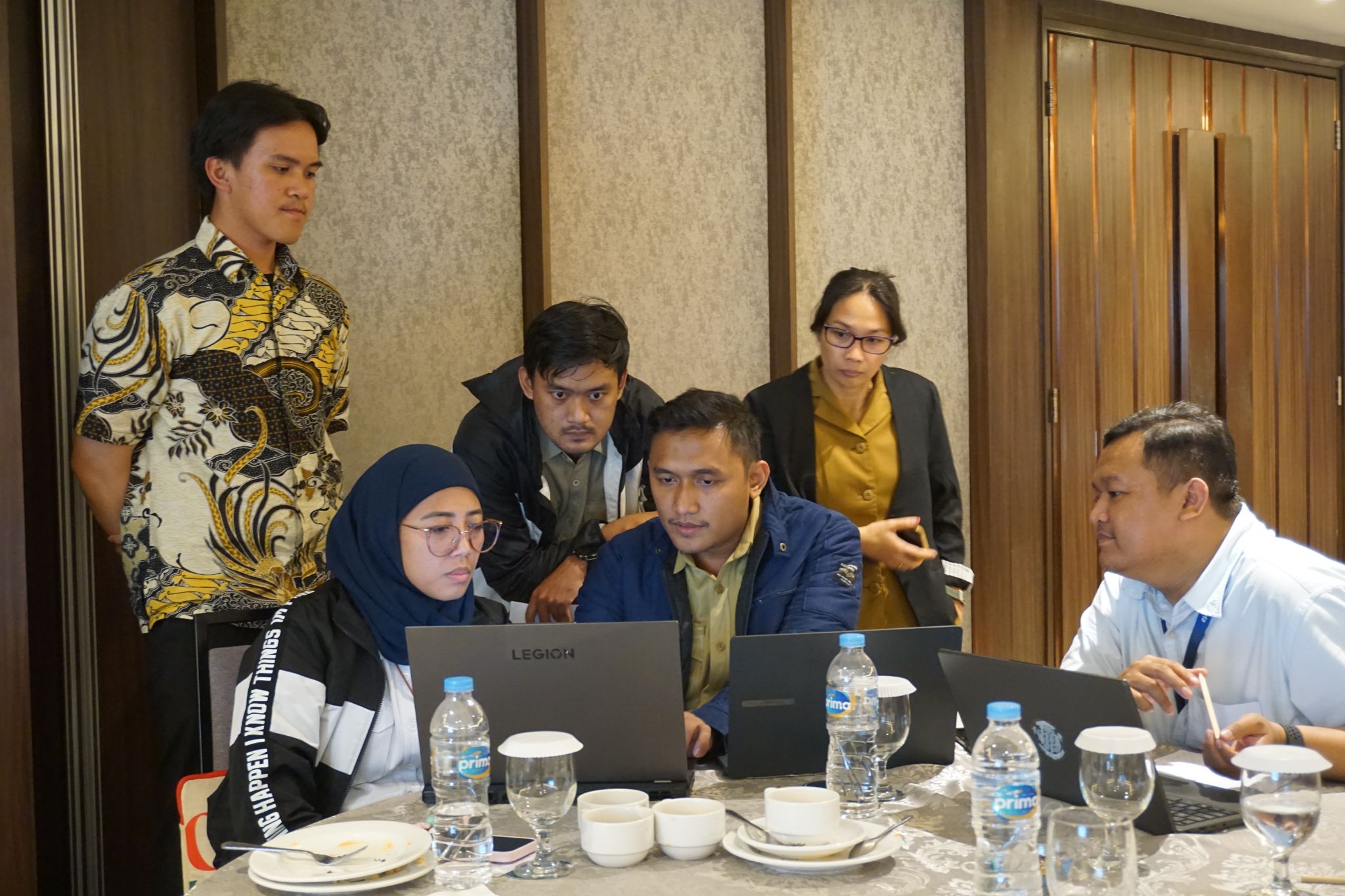 Hands-On Simulation Session
On the second day, the training shifted its focus to Equity Assessment, highlighting the importance of understanding how air and climate policies affect different social groups across the city. Participants explored frameworks and practical approaches to assess the distributional impacts of policy interventions, ensuring that climate and air quality strategies remain inclusive and equitable. The Equity Assessment training session was continued and facilitated by Empatika, providing participants with practical insights on integrating equity considerations into urban policy design and implementation.