Indonesia Net Zero II Seminar: The Interplay of Urban Planning, Civil Systems, and Political Ecology in Navigating the Sustainable Transition
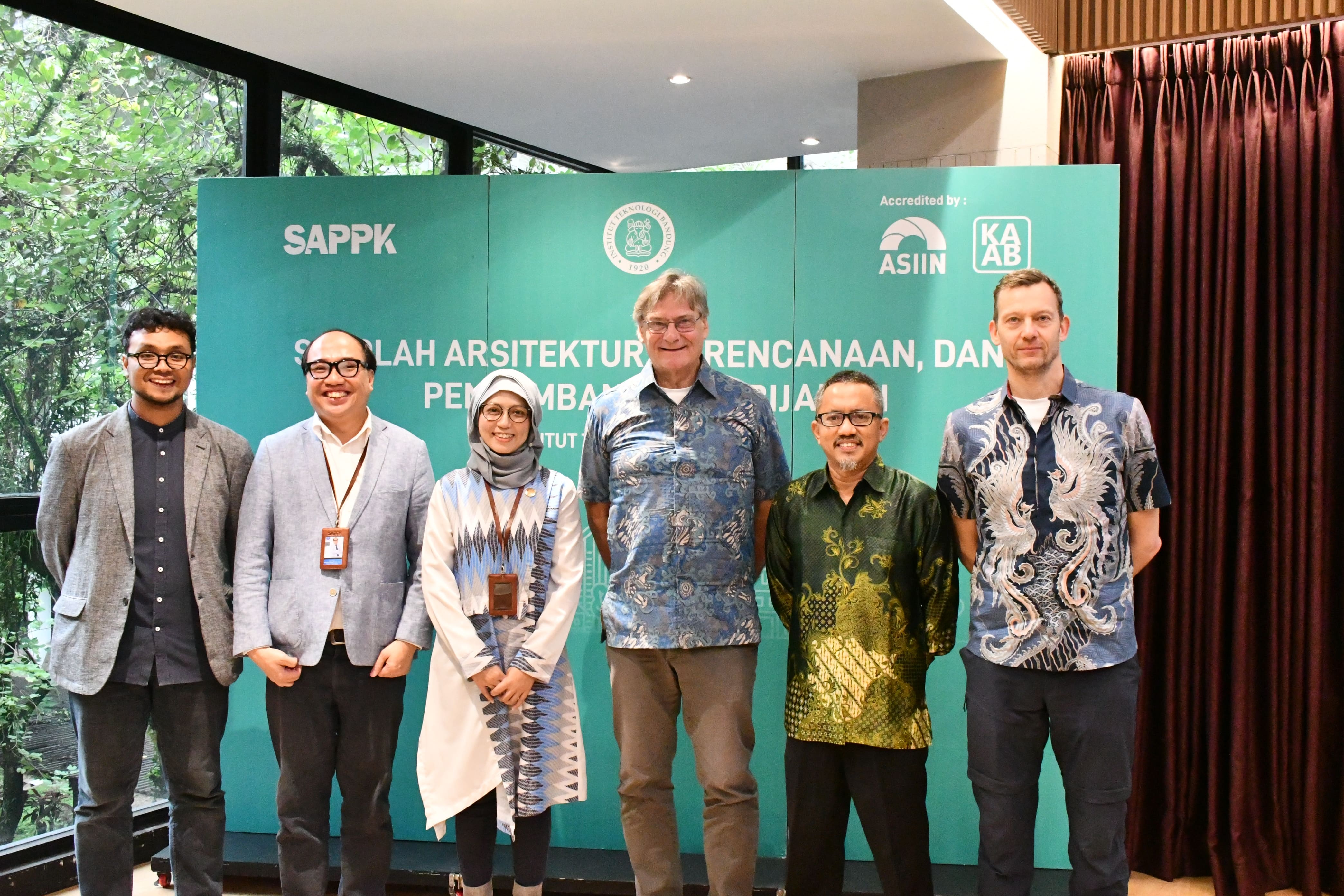
Group photo of speakers and moderator during the seminar
21 January 2026 — the Resilience Development Institute (RDI), in collaboration with the School of Architecture, Planning, and Policy Development at Institut Teknologi Bandung (SAPPK ITB), Universitas Gadjah Mada (UGM), the University of Leeds, and Universitas Pendidikan Indonesia (UPI), convened the Indonesia Net Zero II Seminar: The Interplay of Urban Planning, Civil Systems, and Political Ecology in Navigating the Sustainable Transition. The event took place from 09:00 to 12:00 WIB at the Seminar Room, Labtek IXA Building, 2nd Floor, Sugijanto Soegijoko Building, ITB.
The seminar served as a strategic dialogue platform, bringing together academics, policymakers, and practitioners to explore Indonesia’s transition toward Net Zero Emissions through the integration of urban planning, civil systems, and political ecology. This cross-institutional collaboration aimed to strengthen the multidisciplinary knowledge ecosystem required to address the complexities of sustainable transition in Indonesia.
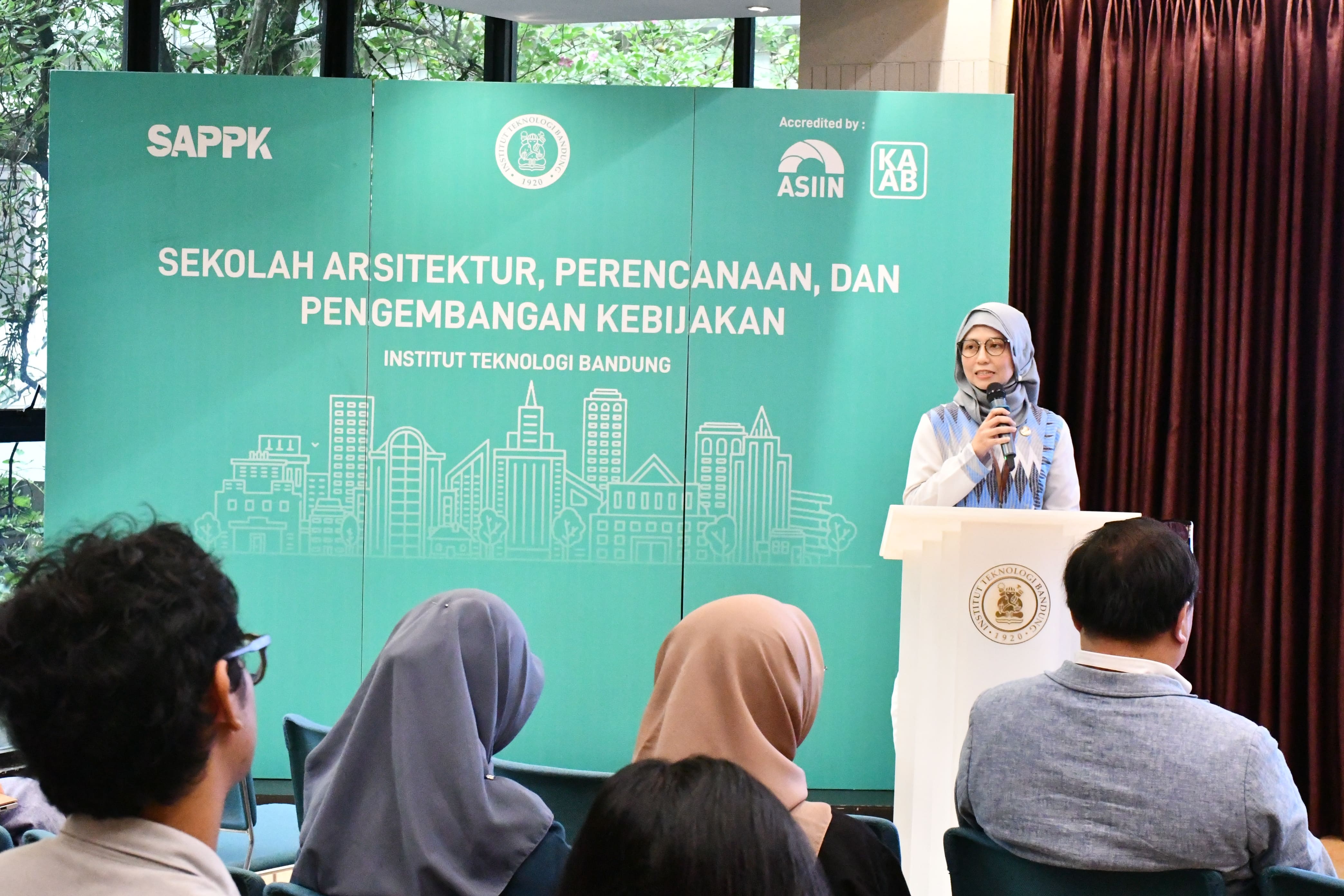
Opening remarks by the Dean of SAPPK ITB, Prof. Puspita Dirgahayani
The event opened with remarks from the Dean of SAPPK ITB, Prof. Puspita Dirgahayani, who emphasized that accelerating urbanization and increasing climate risks signal the end of a business-as-usual development approach. She underscored that Net Zero targets should be viewed not merely as technical benchmarks, but as social and political imperatives. Achieving sustainable development, she noted, requires synergy across governance, spatial planning, and climate-adaptive infrastructure systems.
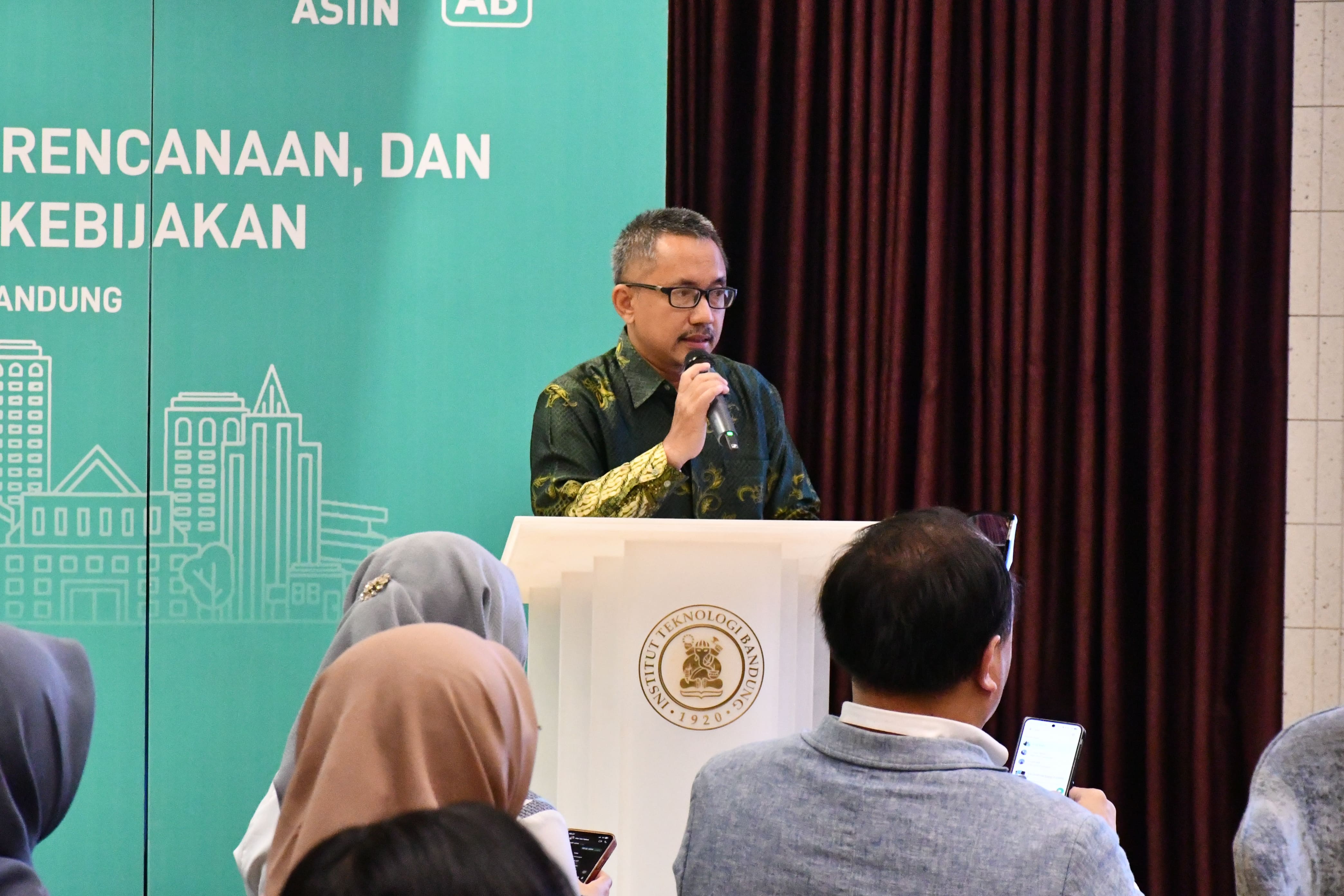
Keynote discussion session by Dedi Rustandi, S.T., M.En., Senior Planner at the Directorate of Energy, Mineral, and Mining Resources, Ministry of National Development Planning (Bappenas)
The keynote discussion was delivered by Dedi Rustandi, S.T., M.En., Senior Planner at the Directorate of Energy, Mineral, and Mining Resources, Ministry of National Development Planning (Bappenas). He highlighted the urgency of implementing a just energy transition through the alignment of national and subnational planning frameworks. According to him, the shift toward green energy extends beyond technical and financial considerations, encompassing political economy dimensions, the protection of vulnerable communities, and policy consistency in navigating Indonesia’s complex resource governance landscape.
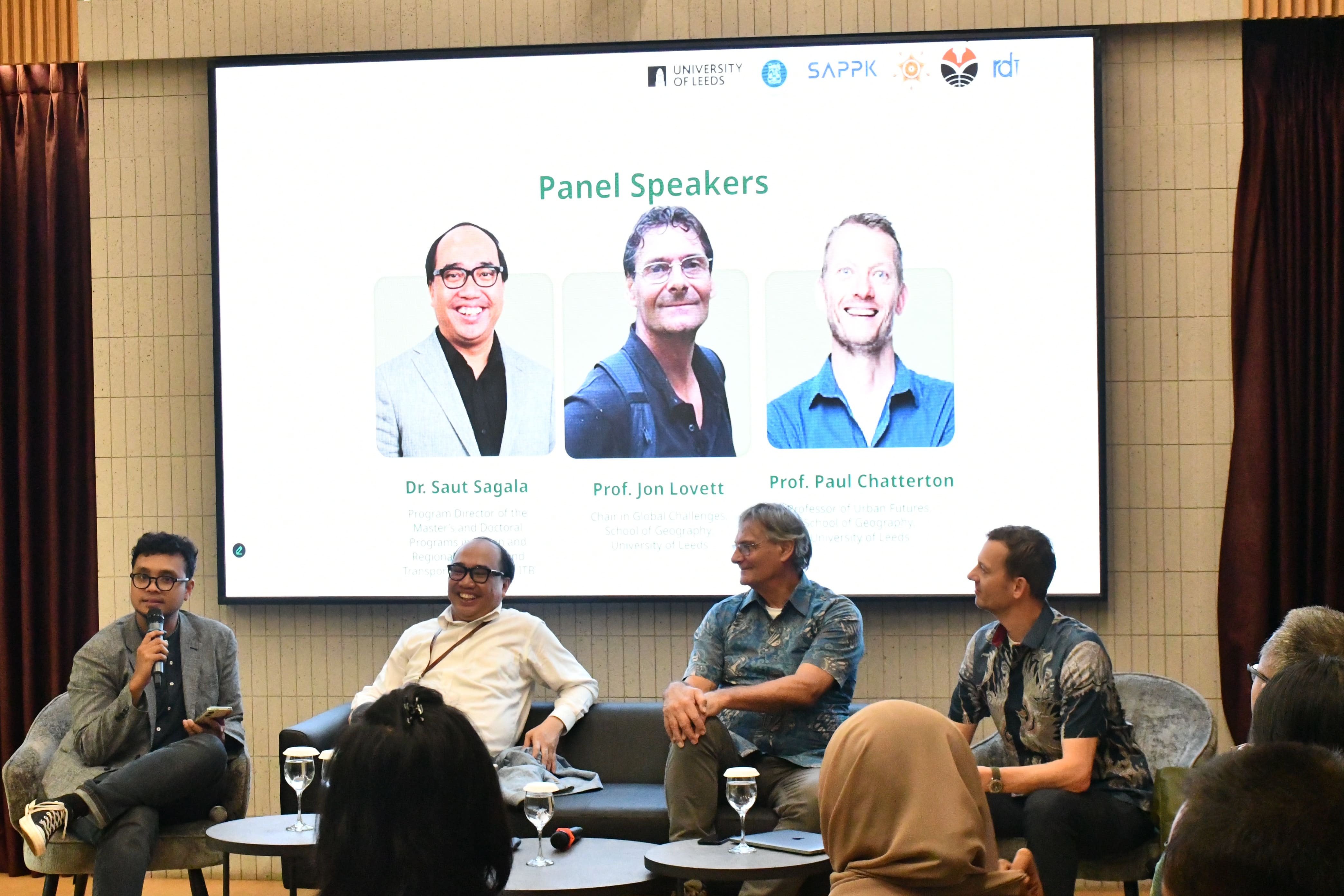
Panel session moderated by Dr. Hafidz Wibisono (UGM), featuring Dr. Saut Sagala (ITB), Prof. Paul Chatterton (University of Leeds), and Prof. Jon Lovett (University of Leeds)
The seminar continued with a panel session titled “The Net Zero Nexus: People, Politics, and Infrastructure,” moderated by Dr. Hafidz Wibisono (UGM), and featuring Dr. Saut Sagala (ITB), Prof. Paul Chatterton (University of Leeds), and Prof. Jon Lovett (University of Leeds). The panel underscored the urgent need for systemic transformation, including demand reduction, strengthened inclusive governance, and the development of co-produced solutions to foster resilient, low-carbon, and socially just cities.
Discussions further highlighted the importance of coordinated and forward-looking policy frameworks to guide an equitable, inclusive, and effective energy transition. During the interactive Q&A session, participants addressed key issues such as policy coherence, institutional capacity, and on-the-ground implementation challenges. The discussion reaffirmed that Net Zero strategies in Indonesia must address social dimensions alongside technical considerations.
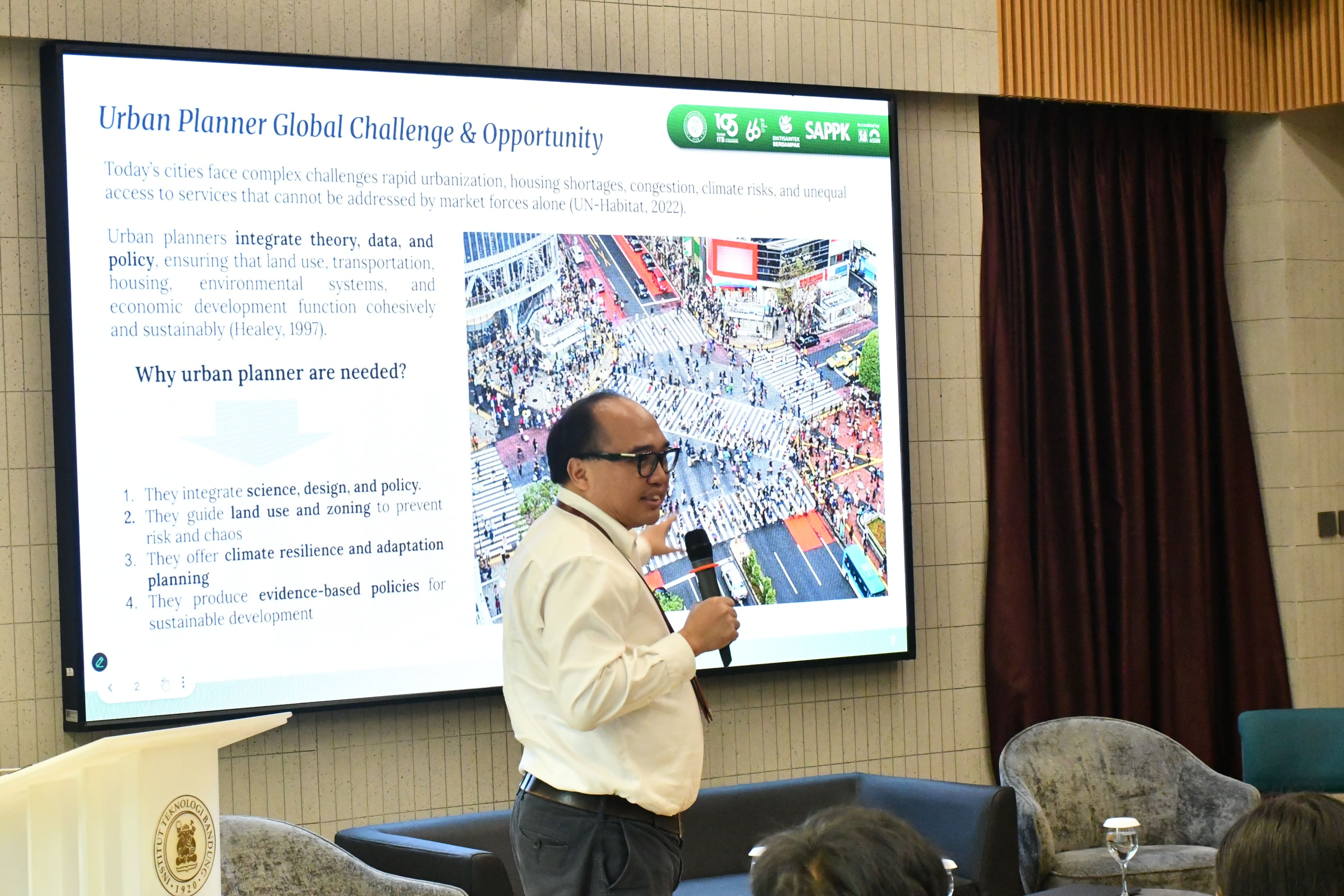
Introduction to the study program by the Head of the Master’s and Doctoral Program in Urban and Regional Planning (PWK) ITB, Dr. Saut Sagala
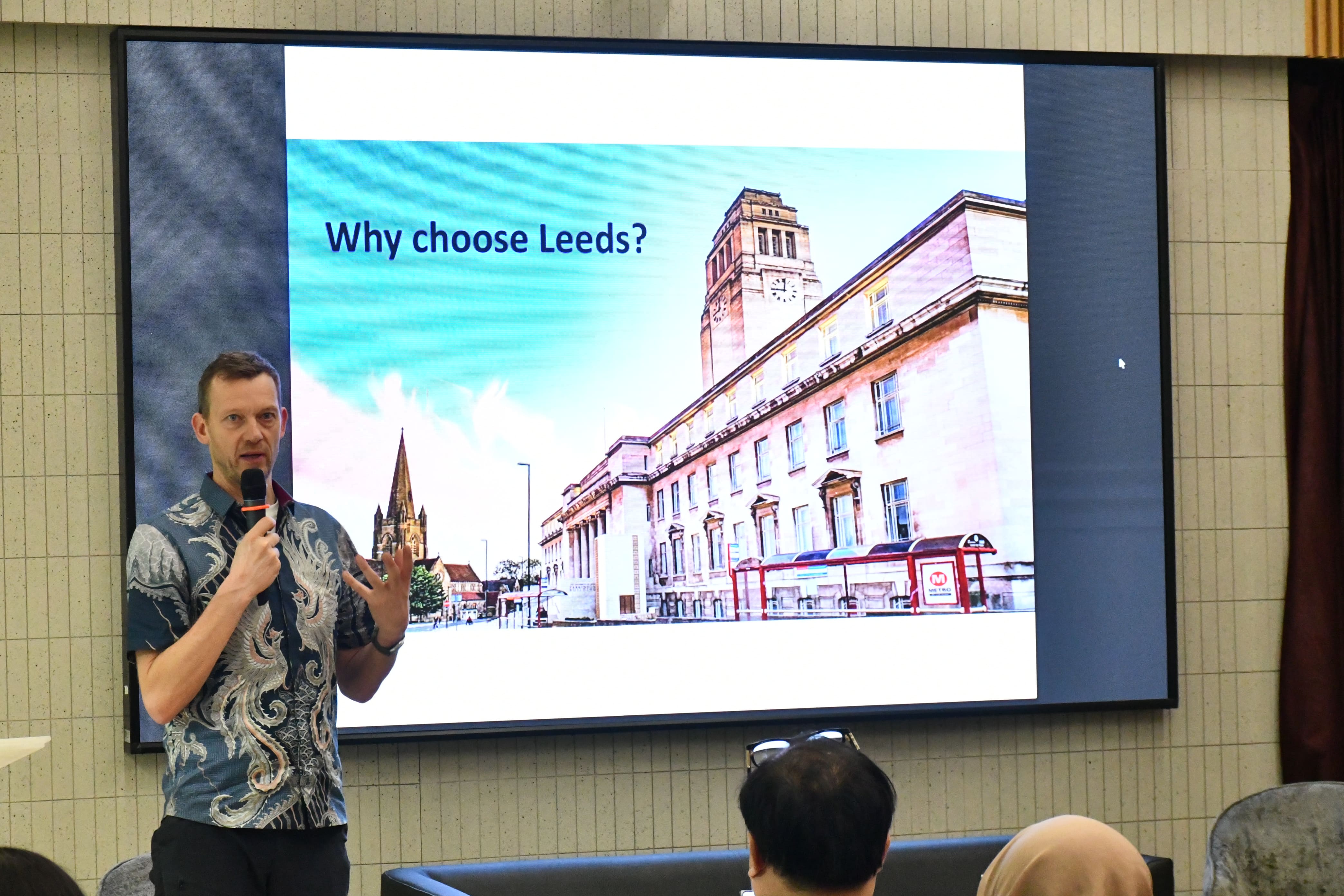
Presentation on faculty and program profiles at the University of Leeds by Prof. Paul Chatterton
The seminar concluded with a program introduction session by Dr. Saut Sagala, Head of the Master’s and Doctoral Program in Urban and Regional Planning (PWK) at ITB, and Dr. Paul Chatterton, representing the Master’s Program in Sustainable Cities at the University of Leeds. The event closed with a ceremonial book exchange between SAPPK ITB and the University of Leeds, symbolizing the continuation of knowledge exchange and collaboration between Indonesia and the United Kingdom.
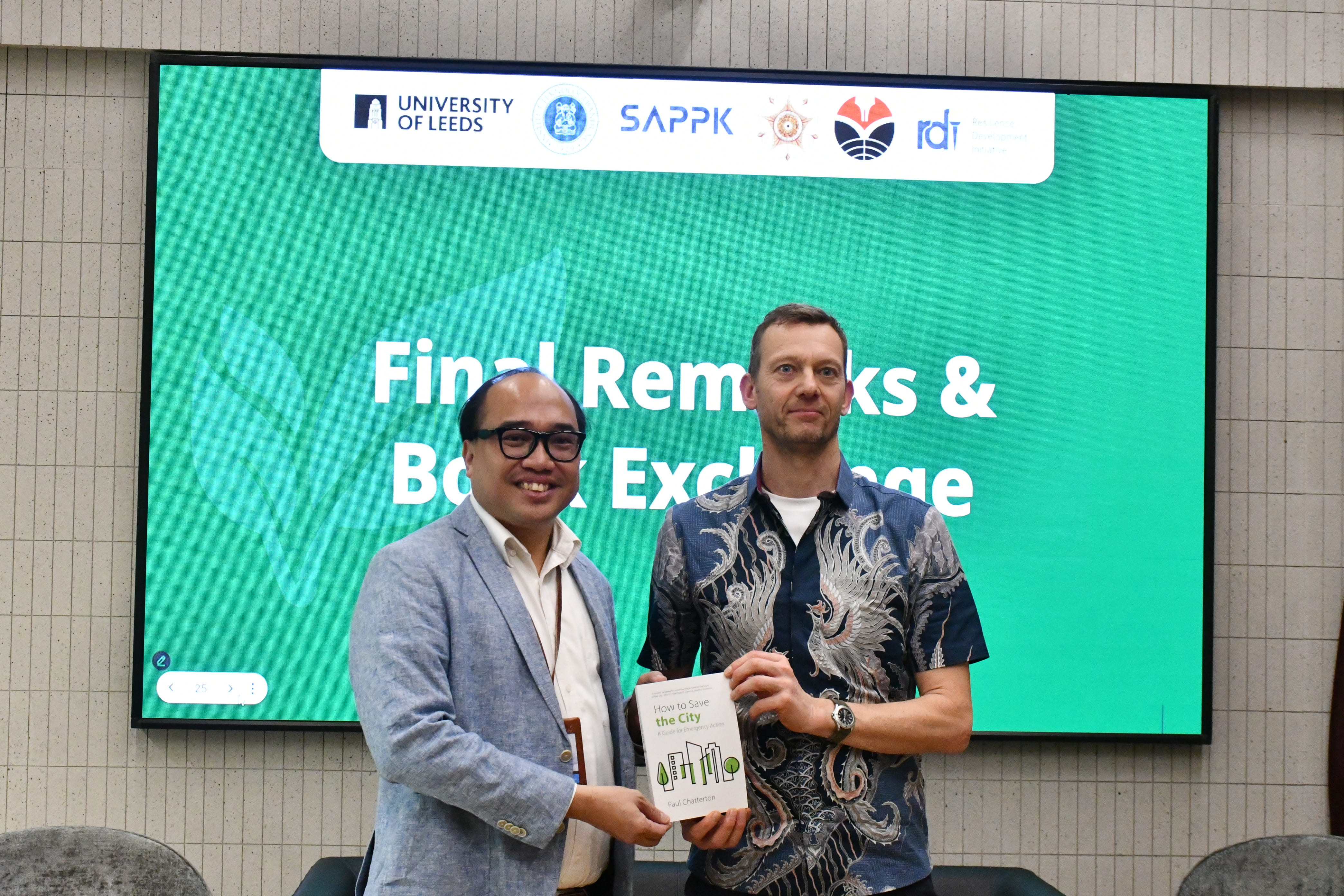
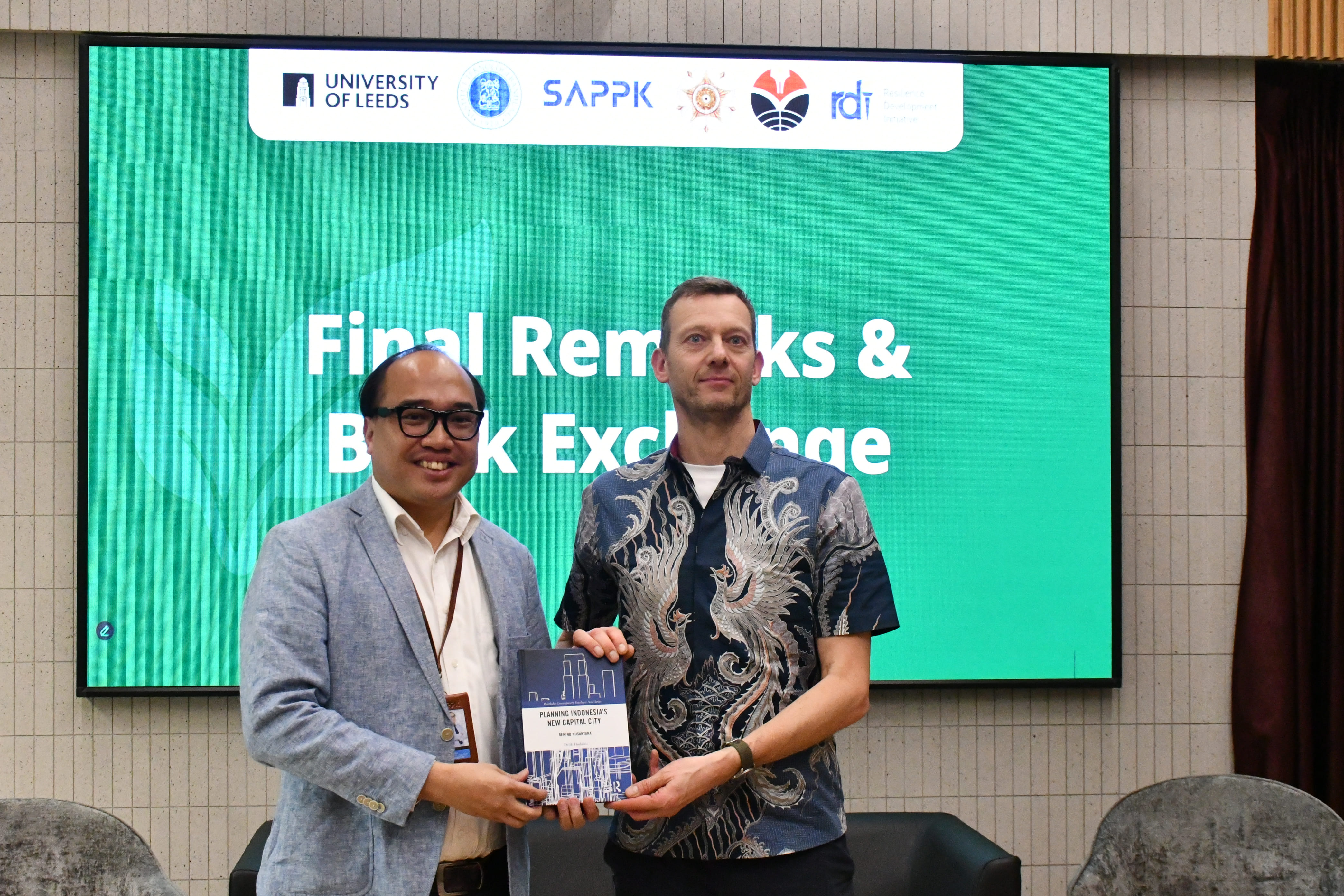
Book exchange session between SAPPK ITB and the University of Leeds
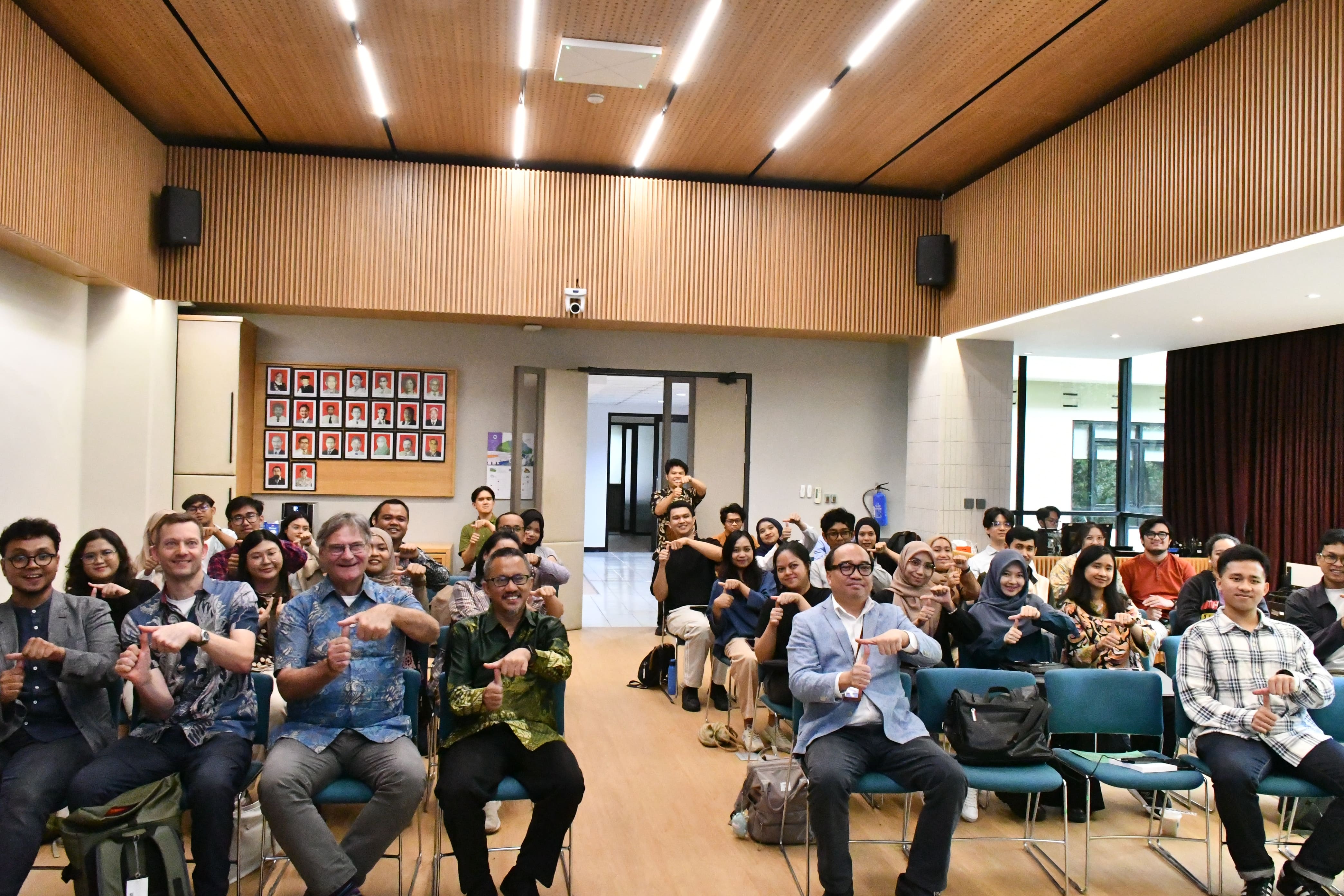
Group photo of speakers and participants during the seminar